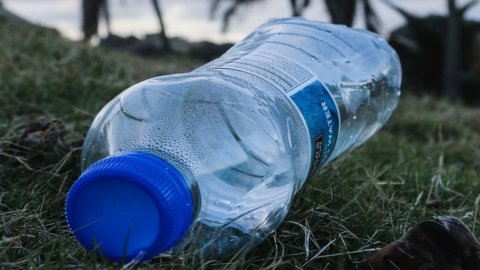
Scale and numbers. It is curious how people's real life sometimes escapes those who have the task of governing it with laws and regulations. The case of banned from July 1st of a long series of plastic products, does not contradict that decision-making aura that occasionally comes from Brussels legislators. You decide, you remain rigid, unless. There is no doubt that the plastic in circulation must decrease. But that "the more includes the less", as the old saying goes, especially in this case, has no reason to exist. And in fact, in a few days we won't have to throw everything away because biodegradable and compostable plastics will continue to be on the market. A turnover of over 800 million euros for Italy.
It took the intervention of the Italian Minister of Ecological Transition Roberto Cingolani to lighten an EU regulation that would have dealt a decisive blow to the entire biodegradable industry. How ? Cingolani himself explains it: “The agreement reached is that the European guidelines will continue to be revised according to the new technological solutions. The fact has been recognized that if I have a paper cup that is 90% paper and 10% plastic, they don't weigh it as all plastic, but recognize that there is only 10%”. In other words, stop the evil use of the anti-plastic sling bar.
The European Single Use Plastic directive from next July it will put some single - use plastics off the market . But Cingolani explained to the vice president of the European Commission Franz Timmermans that the technicalities of the directive would have turned the lives of thousands of companies and workers upside down. More than other countries, Italy claims a healthy industrial and ecological balance for the sector. The fight against plastic attracts converts especially among young people. In any case, the contacts between Cingolani and Brussels had the effect of updating the rules in the light of new technologies.
Research makes progress and so do those with the best intentions verdi had to recognize that the green economy has its times, essential steps. Result: we will continue to find plates, glasses and more on the market, only if they are made of recyclable plastic. The economic effects are evident and the 278 companies that produce bioplastics, and 2.775 employees, breathe the greatest sigh of relief. Last year they produced 110.000 tons of compostable products. They have not polluted and have financed recycling and recovery campaigns. With Confindustria and their association they hope not to have to resume protests and rely on the persuasive skills of the ministers.