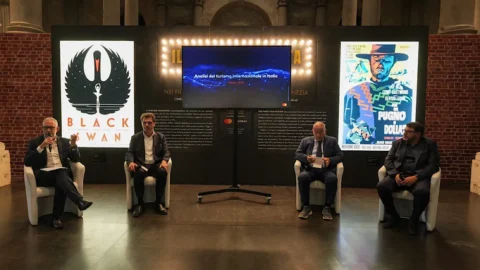
A refined exercise of declination of the various aspects of governance with a view to combating corruption, seasoned with qualified experiences gained in the field. This was the meaning and leitmotif of a Round Table held at the Tor Vergata University of Rome, as the final event of the XNUMXrd edition of the Anti-Corruption Master, organized by his Tutor Daniela Condò.
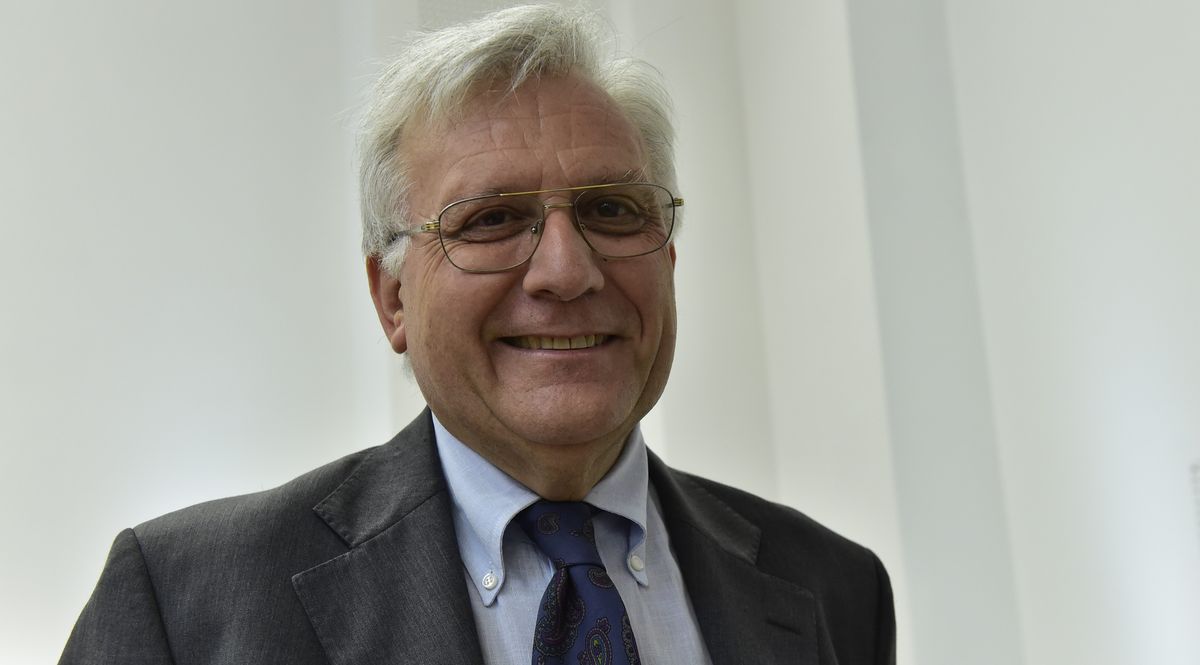
A series of interesting reflections, stimulated by the initial considerations of Aristide Police, professor of Administrative Law and senior partner of Clifford Chance, which involved representatives of the Academy, the judiciary, the police, the corporate world and civil society.
For Carlo Regoliosi, professor of Business Economics and Director of the Master "Governance, control and auditing system" at the University of Rome 3, in this analysis the central role of anthropological data must be underlined, beyond the choice of the governance model ; on the other, the importance of daring to venture, touching the issue of governance, even on new terrains that are only partially explored, as in the case of the new scenarios disclosed by the growing economic digitalisation.
He echoed him Emiliano DiCarlo, professor of Business Economics and Deputy Executive Director of the Anti-Corruption Master, who focused on the correct definition of corruption which is bad corporate governance and bad management, as it undermines "the integrity of the attributes that qualify the company"; or, while keeping them intact, "brings the corporate system towards a finalism that distances itself from the common good of the company itself, of the stakeholders and of the community"
For its part, Luigi Bears, Deputy Attorney General of the Court of Cassation, recalling the difficulty of effectively prosecuting the phenomenon of corruption on a judicial level with the current tools available, pointed the finger at the complexity of the authorization system upstream of any economic activity: a system that seems purposely made to encourage bribery attempts in the licensing process, linked to the start of any activity.
For the Police Forces represented by Maurizio Bortoletti, Colonel of the Carabinieri, the theme can be framed in "managing public affairs as one's personal interests are treated ... a trip advisor of public services would be sufficient with the subsequent closure of inefficient ones that are avoided by citizens". Otherwise, a further paradox could be created, "keeping in place and making the taxpayer pay for those who work badly, to the detriment of those who work well who are paid the same way, moreover working under stress and with a greater risk of making mistakes".
The corporate world has spoken through Gianfranco Cariola, Audit Manager of the Ferrovie dello Stato Italiane Group, who underlined the essential role that "leadership, commitment and tone at the top have in the process of preventing corruption and in choosing governance models". By now "the company is part of a complex ecosystem with which it osmotically exchanges opportunities and risks, projecting the corporate control system towards a new open dimension that goes beyond the traditional corporate boundaries, transforming it into widespread and participatory control ... And the blockchain technology contributes to accelerate this transformation”.
And, finally, for the planet of civil society associations Federico Anghelé, one of the founders of Riparte il futuro, in addition to agreeing with the principle of the importance of correct governance in tackling corruption, recalled the campaigns conducted by his association on the occasion of the local elections of 2016/17; campaigns aimed at a greater moralisation of public life through the publication of financial data, potential conflicts of interest and the criminal record of mayoral candidates; and with the commitment, once elected, to introduce into the municipal regulation the criteria of transparency on the votes and on the nominations of the candidates, future managers of the investee companies".