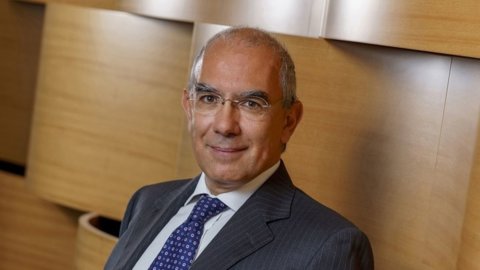
Intesa Sanpaolo, already a protagonist in the fight against the Covid-19 emergency through donations and various initiatives, also takes the field in support of the world of research, and it does so through its insurance division. The Insurance Division, led by the CEO of Intesa Sanpaolo Vita, Nicholas Maria Fioravanti, has in fact announced an important commitment in favor of Italian universities, through four major projects to support studies on the current pandemic in the medium and long term. In all, over 2020 euros will be disbursed to these universities during 110.000, to finance the young researchers who win the respective calls for tenders.
Le four universities involved they are the University of Milan, the University of Padua, the Catholic University of the Sacred Heart of Rome and the University of Calabria. The first will deal with assessments of the presence of multiple pathologies in the same individual related to SARS-CoV-2 infection; the second of the clinical-pathological correlations linked to tissue and organic lesions in positive deceased patients; the third of the analysis of immunological, hormonal and genomic factors in the light of the different effects of the virus on men and women; and finally the fourth to the study of synthetic antibodies for the virus. A full-bodied and above all transversal commitment, which goes to support and reward young excellences from all over the country, from North to South.
“The Insurance Division – commented Fioravanti -, in line with the numerous initiatives of the Intesa Sanpaolo group to deal with the health emergency, has launched various projects to support the country. After expanded health care services and coverage free of charge for our policyholders, to give an immediate response to the health crisis, we have now decided to commit ourselves to an initiative that looks above all to the future and well-being of the entire community in which we operate, investing in young people, their training and specialisation. Thanks to this initiative, four researchers from as many Italian universities will be able to commit themselves full-time to immunological research".