2024 is off to a great start for state subsidiaries: turnover at 59,4 billion euros (+16,6%) and profits above 5,3 billion euros (+121,7%). These are the results achieved at the end of first quarter of the year, compared with the same period of 2023, aggregated and reworked by Comar – Research Center based on the financial communications of the individual companies.
The net operating margin is also very positive (ebitda), grew by 236,4%, reaching 14,1 billion euros. L'net financial debt, again as of March 31, stood at 110,9 billion euros.
The ranking
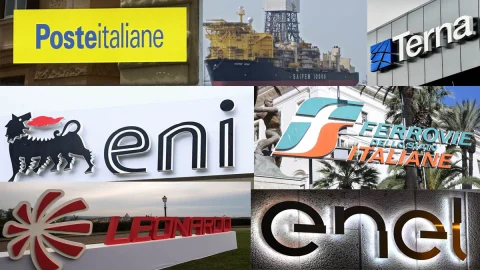
Comar's investigation concerned listed companies in the industry and services sector: Enav, Enel, Eni, Fincantieri, Italgas, Leonardo, Poste Italiane, Rai Way, Saipem, Snam, STMicrolectronics, Terna.
In terms of turnover, the ranking is at the top Leonardo (+20,7%), followed by Terna (+20,4%). He takes third place Saipem (+18%). Declining for Enel, STMicroelectronics, Eni. As far as EBITDA is concerned, it dominates the ranking Enav (+ 69,6%), followed by Leonardo (+ 41,6%) and Saipem (+40,3%). In terms of profit they stand out Leonardo (+ 1.141,6%), Enel (+ 86,7%), Enav (+37,1%), while they recorded a decline STMicroelectronics e Eni.
Comar analysts point out that these results are due to a variety of factors that influenced the specific markets. Here are some of these factors:
- for the 'energy, the results were influenced by the significant decrease in prices and quantities sold, but compensated by the positive development of the areas linked to the energy transition, by investments to improve the efficiency of the networks, by the entry into operation of new resources and by the reduction of 'net financial debt;
- for the 'industry, mechanics and technology, the results were influenced by the level of orders acquired, which strengthened the commercial objectives envisaged in the strategic plans, by the digitalisation processes which favored new revenues and by the capital gains generated by extraordinary consolidation operations. However, there have been negative impacts due to the decrease in demand for semiconductors for the automotive industry;
- for services, the results were above the market average, thanks to the expansion of the customer base, including on foreign markets, the reduction of costs which reduced the inflationary impact and the investments which expanded the offer.