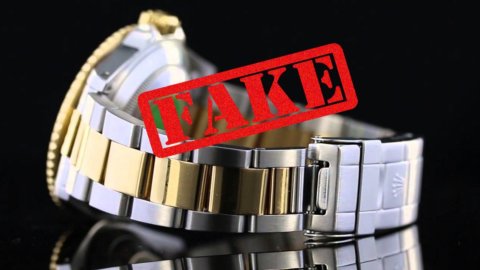
Joint Antitrust and Guardia di Finanza operation against the counterfeiting of luxury brands and their sale on the Internet by passing them off as originals. Clothing, glasses, shoes and accessories ended up in the obscured online shopping: Gucci, Fendi, there are many Made in Italy brands as well as other prestigious brands such as Tiffany, Michael Kors or famous sports brands such as Nike and Timberland. The objects did not reflect the characteristics offered or were even harmful.
With 6 separate provisions, the Authority had ordered the same number of commercial operators placed under observation, all of non-European nationality, to suspend within two days all activities aimed at selling articles of this kind on the Internet. The interested parties did not comply with the provisions and therefore the Agcm ordered the blackout of 174 sites in Italy, with the collaboration of the Special Antitrust Unit of the Guardia di Finanza.
Following the reports presented by Adoc and Indicam (a Centromarca body that fights counterfeiting), the Antitrust had ascertained that the operators were passing off as authentic products of various kinds:
– sunglasses of well-known brands, often dangerous and with some characteristics, such as UV protection and the quality of the lenses, which would not respond to the actual characteristics of the products offered;
– walking shoes and sneakers (offered for sale under the counterfeit brands of Nike, Timberland, Gucci, Fendi, Michael Kors), also intended for children, in numerous samples of footwear imported from China, including shoes and booties also for children , with alarming percentages of hexavalent chromium, a highly carcinogenic substance;
– items of clothing from famous brands, contaminated as they are dyed with dangerous chemicals that can also alter the human hormonal system;
– costume jewelery and fashion watches (Tiffany, Gucci, Fendi, Michael Kors) passed off as silver and made of a copper/zinc alloy with a galvanic nickel coating, a metal composition that often causes allergies and burns.
Consumers were misled by the structure of the sites, set up to appear to be official resellers of the brands and products advertised: not only the names, but also the images and photos posted, in the face of substantial discounts compared to the official prices, tended to make offers credible. For the layout and graphics, these sites appeared on the Internet as clones of the original ones, without providing the information prescribed by the law on the rights of buyers in terms of withdrawal, reconsideration and guarantee.