There was a thermal shock and the cold still holds Italy in its grip, especially in some areas, such as those affected by the earthquake. And yet beware of those who speculate on bad weather. A notice was issued by Coldiretti which is actively monitoring the situation and collaborating with tractors and halls to facilitate the distribution of products.
HALF DELIVERIES
The node is right there, in the distribution. According to the farmers' association, in fact, "deliveries of winter vegetables on the shelves have practically halved and Coldiretti has mobilized tractors to remove snow from the roads and distribute salt against frost to guarantee circulation even in the countryside from where food supplies start of perishable products. The tractors were equipped as snow plows and as fertilizer spreaders for the distribution of salt against the danger of frost to avoid further aggravation of the damage. Avoiding the isolation of country roads is necessary - Coldiretti continues - to allow for the daily supplies of milk that must be milked every day but also to supply the markets with vegetables and greens. From chard to spinach, from lettuce to cabbage, from fennel to artichokes, from zucchini to turnips are available in small quantities on the shelves of shops and supermarkets”.
ABNORMAL RATES
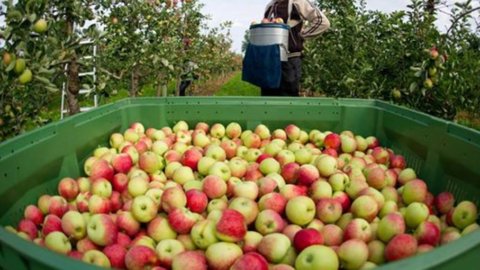
The problem in these cases is the generalized price increases on the counters of shops, supermarkets and market kiosks. If Coldiretti deems "the reflections on the sale inevitable in a situation in which the prices of vegetables on average triple from the field to the table", it is also true that these increases are not always justified. Furthermore, the effects on prices risk lasting over time – admits the Association – because the plants have been damaged. "However, some products have already been harvested for some time such as apples, pears and kiwis and therefore any increases in prices cannot be justified, while increases in production due to the increase in heating costs in greenhouses or the reduced availability of some horticultural products damaged by frost cannot be an alibi for speculation that harms agricultural producers and consumers. It is necessary to ensure that foreign products are not passed off as domestic to justify undue increases and to make quality purchases at the right price. In this regard, Coldiretti has drawn up a vademecum for fruit and vegetables which recommends verifying national origin to be sure of seasonality, preferring local products which are not subject to long and difficult transport and favoring direct purchases from farmers. One way – concludes Coldiretti – to help agriculture in vast areas of the country at a time of difficulty”.