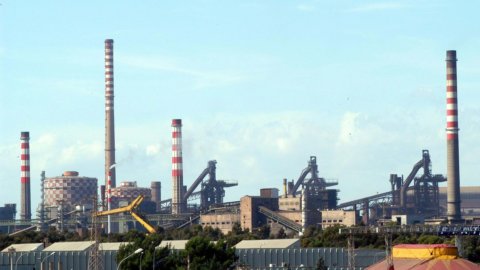
Beko appliances: an era ends. “On August 1st the refrigerator design: an Italian excellence that has set an example in the world. From 1 August 2025, a historical department of Italian industry: refrigerator design is the technical and human heart born over 60 years ago under the Ignis brand and then became Whirlpool. A department that has trained generations, created innovations and built a community”. The R&D centre is the one in Cassinetta (Varese) of Whirlpool Emea, for decades the first European refrigeration centre. It is being closed by Beko which has acquired the entire Whirlpool-Indesit Group. The heartfelt words of this are: Salvatore DeCaprio, director of R&D Quality Asia Supplier of Klimaitalia and head of R&D Whirlpool for 11 years.
Without research we are heading towards closure
This is a very heavy and unexpected impoverishment with the loss of numerous qualified researchers, who deprives Italian factories of vital design autonomyThe joint agreement between Whirlpool and Beko includes only the cooking R&D center in Melano, Indesit's Marche factory. With the disappearance of the Cassinetta center, the group's entire refrigeration and washing production will lose value, innovation, and ultimately be closed.
The post-Beko
Il drop in sales of household appliances made in Europe, under the threat of Made in China dumping, is worryingly and unexpectedly accelerating the closures of production and research facilities of what remains of the Italian white goods industry which, let's not forget, was until a few years ago the second largest Italian manufacturer after cars. How does the Turkish management respond to the closure of the Refrigeration Research Center? “We had announced that we would close the duplications because producing refrigerators and washing machines in Europe today, which are now commodities, is no longer sustainable.” It is true that Electrolux It has dedicated the largest portion of its investments—which have been largely offset by repeated European funding—to the Genesi factory in Susegana, considered the most automated within the group worldwide. This facility, inaugurated in 2021, produces built-in refrigerators using Industry 4.0 technologies.
From commodities to conservation centers
Apart from these last few months of heavy global stagnation in demand which rewards low-cost models above allSince Covid, refrigeration sales data have for four years confirmed the growth in purchases of innovative, hyper-efficient mid- and high-end refrigerators, far different from the run-of-the-mill appliances produced by mass-produced Chinese and Turkish factories. The refrigerator-freezer, as consumers around the world demand it, is now a storage center with diversified climates, reducing waste by maintaining the right climate for all types of food. It is no longer a commodity because the Covid period has seen a growing concern for food quality. Thus, European factories, more flexible and less rigid than large traditional plants, produce highly diversified ranges. The problem is that the high European cost of energy and the dumping of non-European factories have further undermined their competitiveness.
M&A, the game of risk resumes
What reason would a group like Electrolux, with its less than stellar balance sheets, have to invest so much in commodities? There is another reason. By now, European unions and experts International M&A they give the very close closing of an agreement with a Chinese giant (Haier or Midea) Either through the sale of the entire white goods sector or the creation of a joint venture. The list of potential partners has narrowed down to the two Chinese giants, while Hisense is completely out of the running. Indeed, a few months ago, a listed European group reportedly initiated negotiations to acquire the Chinese group. BSH was mentioned, partly due to its history with Gorenje, which, after decades as a supplier of majaps to the German group, was acquired by Hisense. This affair subsequently prompted a pressing official call from Chinese party and government leaders—strongly opposed to potential transfers of Chinese companies to foreign ownership—for the major players to close ranks and forge agreements and collaborations. And so it was that Midea and Hisense quickly signed a very strong agreement.
Washing speeds up acquisitions
La The mainstay of the market has always been washing (washing machines and dryers) This represents over 40 percent of the demand for large appliances. Without laundry, you're marginal. Indeed, Haier, following the closure of Candy, must quickly provide for this, which is why it's competing with Electrolux. None of its three factories in Turkey are dedicated to laundry. The same pressing need applies to the other giant, Midea, which manufactures 9 million washing machines, but only in China. The need to have a European production base for washing machines and dryers—only high-quality, non-polluting ones—is in no way inconsistent with importing models from China, which is currently intended to offset fluctuations in demand.
What quality washing is available from outside Europe?
In this time of crisis for example, Honey moved its washing lines from Germany to Poland, and Samsung cut its washing production in Poland by 40 percent by importing low-cost appliances from China. But also BoschTo cope with the decline in the average washing machine price, it sells products made in Germany that aren't actually made in Germany, since they don't even appear to come from Poland, but from Turkey. Washing machines, therefore, are certainly the most relocated product.