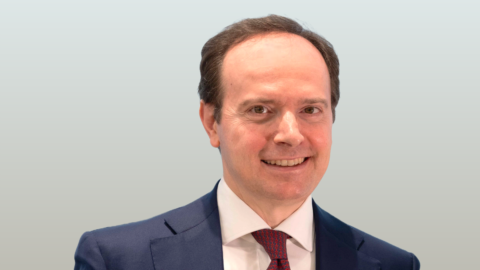
Banca Generali increasingly sustainable. A year and a half after the launch of its ESG investment program in which UN objectives are associated with ESG tools, the bank led by Gian Maria Mossa has already achieved the targets initially set for 2021. The assets under management in this type of solutions amounted to 3,3 billion euro, equal to 12% of the total masses and therefore higher than the target of 10% envisaged. The number of ESG-branded solutions placed is also surprising: to date, in fact, the private bank has over 200 instruments in its portfolio, a figure that projects it to the top of the sector in Italy for this special type of solution.
Going into the details of the numbers recorded by the Bank, it can be seen how, through their investments, Banca Generali customers have contributed to the achievement of important results such as for example saving 642 million kg of carbon dioxide and 178 billion liters of water, but also the provision of treatment for 39 patients and the distribution of 960 organic meals to the needy.
“The numbers show how sustainability in investments is not a marketing gimmick but a well-defined conscious choice that combines benefits for the wallet with those for the community in which we live. The pandemic and subsequent market crash in early March also demonstrated how ESG investment solutions have a greater degree of resistance to market shocks. We are convinced that the path taken is the right one and we intend to pursue it vigorously” comments Andrea Ragaini, Deputy General Manager of Banca Generali.
Analyzing the numbers of its customers, Banca Generali identified some well-defined trends. The solutions most requested by savers are in fact placed in the area of 3 very specific SDGs: the one linked to support for the economy (goal number 9), the one dedicated to the commitment to the climate (goal number 13) and that for the development of solutions for clean energy (goal number 7).
Since last March, Banca Generali has also recorded a strong increase in the demand for solutions that respond to the need to protect health and well-being (goal number 3). A request certainly driven by the Covid-19 pandemic but which, in any case, has contributed to giving further life to a range of instruments which, in the near future, will represent the core component of any investment portfolio.