A doubt is creeping in on the stability of the US insurance sector, creating concerns of systemic type with possible consequences as well on the banking sectorThe potential risk was underlined this morning by president of USB Colm Kelleher, present at the international meeting in Hong Kong, as reported Bloomberg, after it had already been the same Bank of Settlements, the institution that brings together the central banks of the whole world, to raise the same fears.
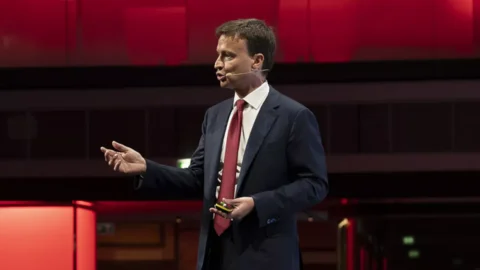
The chairman of UBS Group AG warned of looming risks in the US insurance industry, citing weak and complex regulations amid an unprecedented boom in private financing. "We're seeing an exponential growth of small rating agencies that are committed to ensuring investment compliance," he said. Colm Kelleher, chairman of UBS from 2022, to his fellow financiers at the Hong Kong Monetary Authority's Global Financial Leaders' Investment Summit, a bit like what happened in 2007 with subprime mortgages. "If we take the insurance sector into consideration, in my opinion a systemic risk looms, due to the lack of effective regulation,” Kelleher said.
The warning also comes from Bri
After all, it was also the Bri, the Bank of Settlements international, the umbrella under which they gather the central banks of the world, sounding the alarm in a report published last week on systemic risks and policy challenges in the life insurance industry. "Insurance companies tend to use ratings from smaller rating agencies, increasing the risk of inflated credit ratings," the BIS said, noting that insurers tend to seek higher ratings because they entail lower capital requirements, while smaller agencies "may be subject to commercial incentives" that push them to provide better ratings.
The backdrop of concerns over US regional bank failures
Kelleher and the BRI's statements come in years when the US insurance companies they have increased their investments in life on private debt, allocating nearly a third of their $5,6 trillion in assets to the sector last year, up from 22% a decade ago, according to data from research firm CreditSights. The rapid growth has prompted financial regulators around the world to raise the alarm, especially as it might have repercussions on the banking system.
Last September, the US subprime mortgage lender Tricolor Holdings had to declare bankruptcy, triggering an almost complete write-off of debt. This was followed by the collapse of the auto parts supplier. First Brands Group, which owed over $10 billion to some of the biggest names on Wall Street. Finally, write-downs and problems with large loans followed. two regional American banks eats, Zions Bancorp and Western Alliance BancorpAll of this has raised doubts about the overall stability of the system. The successive revelations of loan fraud have reignited the simmering debate on Wall Street about whether the era of free capital is about to punish both banks and non-banks.