Among all the various food allergies there are some very particular ones, even in the name. One of all is that LTP (Lipid Transfer Protein), and it is a protein-based allergy belonging more to the vegetable than animal world. Despite the strangeness of the name, it is the most frequent Mediterranean allergy to fruit, vegetables and some types of cereals. We have already made a distinction between intolerance and allergies in a previous article, and most turn up their noses a bit when you have to associate the protein component with fruit and vegetables, which contain very little protein.
These Lipid Transfer Proteins (LTP), belong to the category of lipoproteins and are present above all on the surface part of the vegetable food, therefore on the peel, but it is also possible to find them inside the seeds, which are swallowed inadvertently, or on purpose, with the pulp. In most cases where this allergy is suspected, it is enough to ask the patient if the same food he eats fresh, and which would seem to cause problems, has the same effect when eaten cooked, or in jam.
In almost all cases the answer is a dry and firm "no!", in this case we cannot treat the patient as a subject with LTP allergy, since these molecules are heat-resistant and gastro-resistant, i.e. they do not degrade with cooking, which which make other types of protein instead.
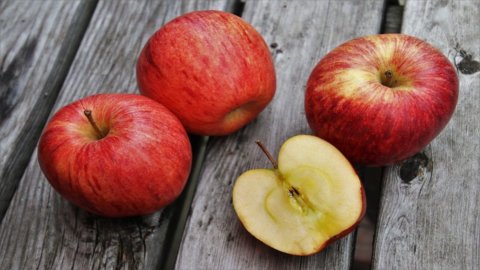
In other words, and with an example: in a more common oral allergy syndrome, a subject with an allergy to apples will have problems consuming this food if fresh, while they can consume it cooked, grated, in the form of ice cream and so on. In case of LTP allergy, the apple cannot be eaten fresh, raw or cooked. This means that the systemic reaction that these molecules develop occurs first at a superficial level, with the classic signs of tingling throughout the buccal cavity, enlarged tongue, erythema. Then, subsequently, also at the intestinal level since, being gastro-resistant, they manage to bypass the gastric acids.
What Foods Contain LTP? Unfortunately, there are above all summer fruits, and therefore also the tastiest and most palatable, such as peach, cherry, melon, watermelon, grape, pineapple, fig. Other types of fresh fruit such as apple, kiwi, lemon, orange, banana also contain these molecules.
In the category belonging to dried fruit we find: walnut, hazelnut and peanut. For vegetables, there are tomato, celery, lettuce and other types of salad, fennel, zucchini, onion, spinach, carrot, broccoli, aubergines and peppers, asparagus.
As far as this food category is concerned, cooking, as previously mentioned, does not destroy the LTP protein molecules, but cooking in water (boiling) removes the molecules from the food to the water, making the food more acceptable to the host. .
Instead, lentils, soy, peas, beans and lupins respond to the appeal of legumes. Also some oilseeds such as sesame, sunflower and poppy. Also beware of some cereals such as rice and corn. Also in this case, boiling will reduce the allergenic load.
However, the interest in this particular allergy does not end there. Subjects allergic to birch pollen and simultaneously positive to LTP allergens show milder symptoms in terms of intensity. In the regions of southern Italy, where birches are not present, subjects positive for this allergen show more severe symptoms.
As regards the diagnosis, the various tests for classic allergies (skin prick test, prick by prick or even the RAST) are not indicated for LTP, which requires the peach extract to be able to confirm the positivity to the test.