Il Australian Parliament has approved a historic law and prohibit access to social media for minor 16 years, imposing severe fines digital platforms that will not verify the age of users. With this new regulation, Australia becomes one of the countries with the strictest laws in the world to protect children and teenagers from the risks associated with the use of social networks.
The Australian Prime Minister, Anthony albanese, called the law a “landmark decision.” She said: “Social media is causing social harm, and the government wants to protect Australian children, and support parents in that process. This reform sends a clear message to tech companies: it’s time they took action to protect young people.” The law is not only an important step towards child safety, but also aims to put pressure on big tech platforms to adopt safer policies for young users.
Social Media Ban in Australia: Here Are the Platforms Affected and the Penalties Expected
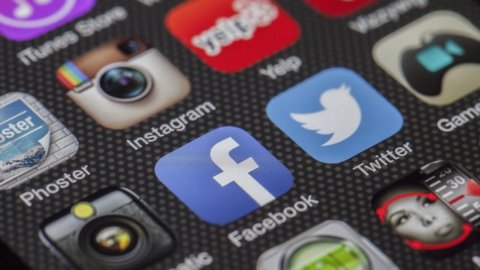
The new law requires social platforms to take “reasonable measures” to prevent underage users from registering. Platforms such as Facebook, Instagram, TikTok, Snapchat e X (formerly Twitter) will have to adopt more rigorous age verification systems. However, the requirement does not apply to messaging services such as WhatsApp, Messenger nor to educational platforms or health services. In case of systematic violations, companies risk fines of up to A$32 million. It is important to underline that there are no sanctions for minors or their families in case of violation of the ban.
The measure met with a big favor between the population Australian: According to polls, 77% of Australians said they supported the law. This broad support was a determining factor in the rapid progress of the bill, which was discussed and approved in just one week, despite the submission of numerous amendments.
Stop Social Media: A Moment for Reform in Italy?
The passing of the law in Australia has also raised debate in Europe, with particular interest in Italy. In our country, a bipartisan bill is already being discussed, which aims to prohibit access to social media for minors under 16, placing the responsibility on the platforms and not on the parents.