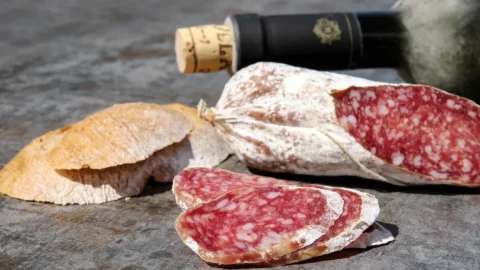
Il salami is much more than a simple sausage: it represents one of the excellences of the Italian gastronomic heritage, an expression of ancient traditions and artisanal wisdom. This raw and seasoned salami, obtained from minced meat and fat, owes its name to the salting process, essential to guarantee its preservation. Usually, the basis of salami is pork meat, enriched with local spices such as garlic, pepper, fennel or mace. There are, however, variants prepared with goat, sheep, horse, donkey or game meat, such as wild boar.
Each region of Italy has developed its own recipes e specifications of preparation, which also include the use of ingredients such as milk or wine to aid the curing process. The meat is stuffed into natural or artificial casings and, during the curing phase, the salami becomes covered in white molds that protect its quality and characterize its appearance. In some areas, such as Romagna or Tuscany, the practice of preserving salami under ash to give it additional aromas is widespread. This rich history could only be celebrated in a special event: Cremona Salami Festival. From the 4 6 October 2024, Cremona will transform itself into the Italian capital of salami, hosting the sixth edition of an event dedicated to this much-loved product.
The history of salami
This sausage is the result of a processing that dates back centuries. The medieval sculptures in the Baptistery of Parma and in the Cathedral of Fidenza bear witness to scenes of salami production. From Modena to Parma, the art of pork butchery has played a central role in the economic and cultural life of the regions of Northern Italy. As early as 1598, the Modena sausage makers and larders established rules to ensure product quality, laying the foundations for an industry that today combines tradition and innovation.
Salami has been on the tables of the nobles families , from the Farnese to the Bourbons, passing through the Duchess Maria Luigia of Austria, and has continued to represent one of the excellences of the culinary heritage of our country. Although technology has brought innovations to the sector, the artisan touch remains an essential element for the quality of the final product.
The Salami Festival in Cremona
During the event, different types of salami from all over Italy will be the protagonists. Among these, the Salami Cremona PGI, with its soft consistency and intense aroma, will be the symbol of the event. There will also be the Salame Mantovano, characterized by an unmistakable softness, and the Salame Farmer, with a sweet and spicy taste. For those who love to explore new flavours, there will be variations such as Strolghino from Parma, Goat Salami, leaner and more delicate, and the Donkey salami, with a rich and tender flavour.
The celebration is not limited to tasting the salami: salami, cotechino, speck, luganega and many other products of the Italian Norcia tradition will be present, offering an explosion of flavors that will tell the variety of our cuisine. All this will be accompanied by local craft beers, specifically selected to enhance the characteristics of each cured meat.
The festival offers a wide range of free events for audiences of all ages, including tastings, showcooking e demonstrations culinary, where creative chefs will present unique dishes, showcasing the versatility of this much-loved sausage.
The event, organized by Confartigianato Imprese Cremona and Free Association of Cremonese Farmers, Under the patronage of Municipality of Cremona and Lombardy region, has now earned a prominent place in the panorama of Italian food and wine events.
New this year
Among new This year, original initiatives will be presented such as the maxi focaccia with salami, eight metres long and filled with 30 kg of salami – created by the students of the Einaudi School of Hotel Management – has always been stele composed from 300 rosettes stuffed with salami, which will recall the famous Rosetta Stone, in a 2-meter high edible wall. These moments will not only surprise visitors, but also represent a way to keep alive the convivial and genuine atmosphere that characterizes the event.
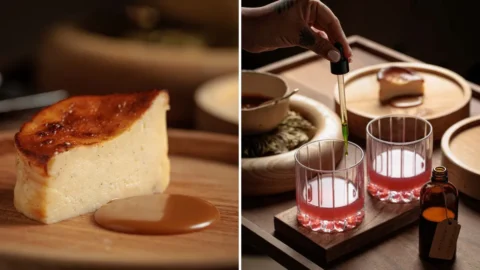
Another novelty is Salami Ice Cream. This curious delight combines a salami sorbet with a Grana Padano mousse, enclosed in a savory puff pastry brioche, for an experience that redefines the boundaries of dessert.
No less creative, the “wrong marubin” reinterprets a Cremonese classic thanks to the skill of Achille Mazzini, a renowned local chef. Inspired by the famous Negroni sbagliato, this dish promises to be a gastronomic surprise not to be missed.
The Salami Festival is more than just a food fair. It is a journey through history, an immersion in traditional flavors and an opportunity to discover the charm of a product that, while remaining anchored to its roots, continues to evolve and amaze.
Comments
The protagonists of the Salami Festival in Cremona do not hide their enthusiasm for an event that has established itself as a point of reference for Italian food and wine. Barbara Mazzali, Councilor for Tourism of the Lombardy Region, describes it as a "strategic showcase to promote our excellent products", underlining the importance of food and wine tourism, which represents an "inestimable resource" for the region, attracting visitors eager to discover authentic flavors. Even the Mayor of Cremona, Andrew Virgil, underlined the link between Salame Cremona PGI and the local agricultural roots, defining it as a symbol of the Lombard pork butchery tradition.
Luca Zanacchi, Councilor for Commerce, highlighted how the event attracts enthusiasts from all over Italy, putting Cremona at the center of attention thanks to initiatives such as the Mostarda Village. This year's novelties, announced by Stefano Pelliciardi of Sgp Grandi Eventi, include the spectacular 8-meter maxi focaccia and the stele of 300 stuffed sandwiches, symbol of the convivial spirit of the festival. With food and wine stands, guided tastings and show-cooking, the festival offers a unique experience, celebrating salami as an ambassador of Italian taste.