La the fuel rush doesn't stop and the bill for motorists and families continues to get heavier. Petrol e Diesel I'm still on the up, as the deadline approaches discount on diesel excise duties, set for September 5th. Meanwhile, the possible impact of the end of the benefit is being discussed. the alarm from Codacons, which talks about an emergency situation and warns against risk of new price increases and a further increase in fuel costs. government is working on the next measures, but in the meantime pump prices continue to rise, in a context still influenced by international oil prices.
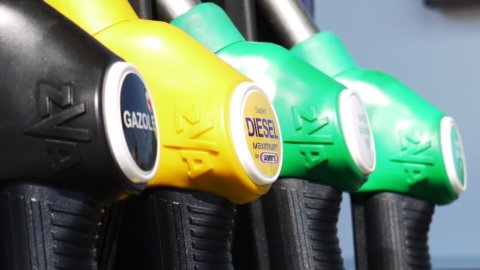
Petrol and diesel prices continue to rise: filling up the tank is becoming increasingly expensive.
According to the latest data from the Ministry of Business and Made in Italy, updated to Thursday 3 September, the average national price of self-service petrol on the ordinary network it is rose to 2,039 euros per litre, compared to 2,027 euros the previous day. The Diesel arrives instead at 2,147 euros per litre, from 2,131 euros on September 2, with an increase of 1,6 cents in just 24 hours.
The bill is still saltier for those who refuel in highway, where self-service petrol reaches an average of 2,124 euros per litre and diesel reaches 2,221 euros, compared to the previous 2,110 and 2,206 euros. The increases are also directly felt on the cost of a full tankAccording to the National Consumers' Union, in just two days, a 50-liter tank of fuel on the regular network has become 85 cents more expensive, for both gasoline and diesel. On the highway, the increase is one euro for unleaded fuel and 85 cents for diesel.
Further adjustments by managers are helping to boost the stock market, while international refined product prices remain in the background. Oil has, however, slowed: Brent has fallen below $95 a barrel, while WTI is hovering around $90.
Diesel excise duty discount expires September 5th
Making the situation even more delicate is the expiry of the sdiesel excise tax bill, This measure currently guarantees an overall benefit of 17 cents per liter. If the measure is not extended, the price of diesel could increase further starting September 6th, with an immediate impact on fuel costs.
According to UNC estimates, the diesel would reach 2,318 euros per litre on the ordinary network and at 2,392 euros on the highwayThis prospect also worries Codacons: without a further extension, the association estimates that diesel could reach 2,4 euros per liter on the highway and exceed 2,3 euros on the regular network.
The end of the discount would translate, according to Codacons, 8,50 euros more for every 50-litre tank of dieselThe association therefore calls on the government to avoid a new blow and contests the idea of limiting aid only to those with the lowest ISEE or to those who use a car for work. According to Codacons, in fact, the high fuel prices affect consumers across the board and also weigh on the middle class, with effects that extend beyond those considered the most vulnerable.
Government working on next measures
The extension of the excise tax discount is therefore the most pressing issue. The current measure has been extended by the government until September 5th, maintaining the 17 cents per liter reduction on diesel fuel.
In parallel, the executive is evaluating a possible review of aid, orienting itself towards more selective measures tied to income or employment status, rather than maintaining generalized support at the pump. This very approach is challenged by Codacons, which argues that interventions limited to those with low ISEE incomes or drivers who use their car for work would not be sufficient to mitigate the impact of fuel costs.
On the consumer front, the National Consumers Union proposes instead a solution diverse: return the additional VAT to motorists paid between March and August 2026 compared to the same period in 2025, rather than intervening with further reductions in excise duties.
The government will therefore have to decide quickly how to intervene, while gasoline and diesel have already exceeded the €2 per liter threshold. The September 5th deadline risks resulting in further diesel price increases just when fuel costs are already high: without an extension, starting next weekend, diesel prices could approach €2.40 per liter on highways, further burdening motorists and families.