ENEL BLACK OUT -4,5% IN THE BUSINESS PLACE. THE DESCENT OF THE DEBT IS TOO SLOW
Expensive bill for Enel -4,54% in Piazza Affari. A slide which, in large part, is the consequence of the Spanish campaign (already fatal to Mediaset and RCS), but which is also explained by the slowdown in domestic consumption. The electricity group closed 2012 with a net profit down to 865 million (-79% compared to 4,1 billion in 2011) on 84,9 billion in revenues (+6,8%) mainly due to the write-down for over 2,5 .3,45 billion of Endesa Iberia's assets. Net of extraordinary items, the ordinary result is a profit of 0,15 billion euro. The dividend was set at €XNUMX.
Net debt decreased (-3,8%) which, however, remains the group's Achilles heel at 42,9 billion euros. The objective of reducing debt will be at the heart of the strategy for the next five years, in which disposals will have a central role. “The strengthening of the capital structure – reads the strategic plan – will also be achieved through a disposal plan for approximately 6 billion and the issue of hybrid instruments for approximately 5 billion”.
The negative reaction of Piazza Affari, rather than the less than exciting results, can be explained by forecasts of the plan, lower than the consensus estimates of analysts: the debt, in particular, is destined to fall less than expected despite the cut in investments and the resignations.
In fact, the three-year plan is focused on reducing costs, investments and divestments thanks to which net financial debt should progressively fall to around 42 billion euros in 2013, around 37 billion in 2014 and between 36 and 37 billion in 2017.
For the 2013-2017 five-year period, Enel expects an EBITDA of around 16 billion euros this year (16,7 billion in 2012), around 16 billion in 2015 and between 17 and 18 billion in 2017 and net ordinary income of around 3 billion euros in 2013, around 3,3 billion in 2015 and between 4 and 5 billion in 2017. Net financial debt should progressively fall to around 42 billion euros in 2013, around 37 billion in 2014 and between 36 and 37 billion in 2017.
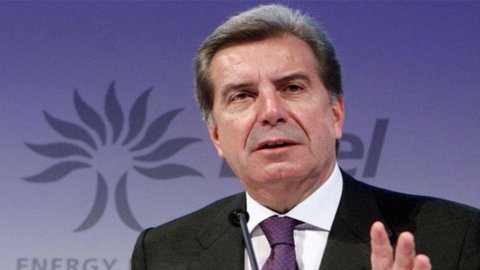
In this way, CEO Fulvio Conti explains, it will be possible to resist until “the moment is seized when the mature economies, in particular Italy and Spain, will start to grow again”. Defense, of course, does not mean passivity. “For the next five years – explains Conti – we are confirming the strategy we have already started, focused on protecting margins and cash flows in mature markets and on developing growth markets and renewables. All this by accelerating actions to reduce costs and increase efficiencies within the entire group as well as simplifying the corporate structure, with constant attention to reducing debt, as well as maintaining our current rating category".