“Share a plate of pasta, savor tradition and modernity and create the warmth of the family even at the table”. It is the philosophy of Chiavenna pasta factory of the Moro family, the first in Italy to produce i pizzoccheri – rough and tasty buckwheat noodles – on a large scale, preparing them according to the Valtellina tradition. Six generations of entrepreneurs deeply rooted in the territory have carried on the family tradition in the same place where it all began a century and a half ago.
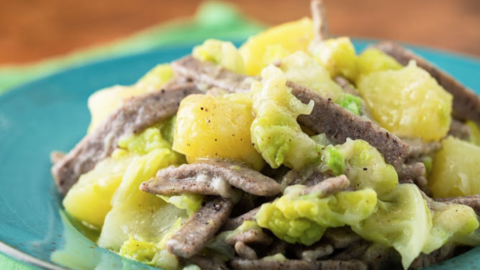
A typical dish of Lombard cuisine – so much so that it bears the I markProtected Geographical Indication – with tasty and seasonal ingredients, excellent for a winter lunch, perhaps accompanied by a good full-bodied red wine, also from Valtellina. From “piz”, piece, or pinch, pizzoccheri are a pasta made from buckwheat flour and wheat flour, which over the years has become the most renowned dish of Valtellina cuisine. Anyone wishing to prepare gluten-free pizzoccheri can replace the amount of white flour with gluten-free flour, or use only buckwheat flour.
The pizzoccheri alla valtellinese can be found in version fresh o shoal (below we will give you the recipe for making pizzoccheri at home with fresh pasta). These dark tagliatelle even have an academy that preserves the original recipe and the traditions linked to the PGI dish: it is the Teglio Pizzocchero Academy, founded in 2002 to protect, promote and disseminate the Teglio pizzocchero and all the typical expressions of the food and wine of the province of Sondrio.
Pizzoccheri, the history of the Moro Pastificio
It all began over 150 years ago, in 1868, when the Bottanera mill, located in the old artisan district of Chiavenna, put its blades into operation thanks to the strength of the Mera river and the ingenuity of the founder Charles Moro, after two years as a baker in the United States. This is how the story of Pastificio Moro begins, which since that day has never ceased to delight the tables of the Valtellinesi with its products, but not only.
In the late 60s, the Chiavenna pasta factory has moved to its current headquarters on the outskirts of Chiavenna. It was in those years that the company added the traditional production of durum wheat semolina pasta to the production of Valtellina specialties (pizzoccheri), which in this way "came out" of the strictly local sphere and, through large-scale distribution , are now known and appreciated in all Italian regions and abroad. The Japanese are very fond of them, only instead of using the original recipe, they cook them with meat sauce and consider them a dietary pasta. Then there are the Canadians who season them with pesto. While Americans prefer them with fish. But pizzoccheri are also very popular in China and Germany.
Also during that time, the Pastificio obtained from the Ministry of Health the authorization to produce diet pastes, or pasta with different requirements from traditional pasta (gluten-free pasta, pasta for children as well as buckwheat-based pasta, with beneficial properties for nutrition). Since then, the Moro family business has increasingly specialized in the production of gluten-free pasta, pasta for children (baby food) and other dietetic pastas.
Not only attention to flavors and products but also to the environment and human capital. Since 2005 the pasta factory has decided to buy green energy, clean energy from the hydroelectric plants of Valtellina obtaining the certificate of environmental sustainability issued by the RECS. Since 2008, the Chiavenna pasta factory has been registered in the SEDEX (Supplier Ethical Data Exchange) in order to highlight to stakeholders the measures in place to ensure that work is carried out ethically.
The result? 9 million kilos of pasta produced every year, 40% exported abroad, 60 employees and 16,6 million in turnover. pizzoccheri, but also innovative products such as the "gluten free" pasta born in this establishment.
Pastificio di Chiavenna changes ownership, but the Moros keep the management
In 2015, in the period of the Milan Expo where the Chiavenna company was present, there was the announcement of a historic change. 77% of the shares were acquired by the Milanese private equity fund Alto Partners, while the participation of the founder's heirs dropped to just over 20% of the capital. Less than five years later, in 2020, Alto Partners sold to San Remo Macaroni Group, a company founded in 1936 by Luigi Crotti, Maurice's grandfather who had emigrated to Australia from Lombardy, and is still totally owned by the Crotti family today. But the Moro family still manages it.