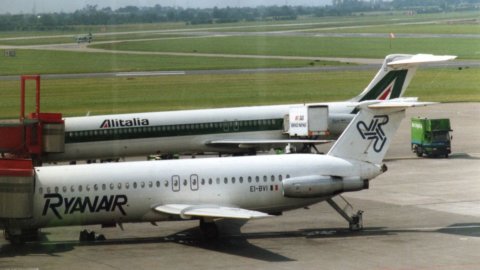
The Government has finally considered the possibility of curbing the way in which airlines apply i ticket prices sold online. For some time now, consumer associations have been protesting against the "algorithms" used by the various online services and have been asking for the intervention of the Antitrust. In fact, the price of a flight ticket can be influenced by various factors which are calculated on the basis of certain navigation parameters of each user. For consumer associations, it is a unfair commercial practice and an abuse of a dominant position.
The system to circumvent the price increases is relatively simple, but it is not for everyone. Anyone browsing these sites by accepting a certain user profiling he doesn't have much of a chance: geolocation, the time in which he searches, the fact that he has already searched for other flight solutions for that same destination, leads the algorithms to propose higher prices than those who surf incognito. With the decree arriving on Monday, the Government will set some limits on the use of information that the airline sites use to offer different prices according to the saved parameters. So no prohibition for this practice, but only a few stakes within which to operate.
The main idea is to prevent the uptick of a ticket depending on the period of purchase, but only in the case of national routes connecting with the islands or if it occurs during a peak in demand and leads to a sale price of the ticket or ancillary services 200% higher than the average fare of the flight. At the same time the Government will provide a rate ceiling practicable areas in territorial continuity with public service obligations. As? According to the first anticipations of the provision being approved, the competent administration sets "the maximum tariff levels practicable by the airlines where there is a risk that the tariff dynamics could lead to a significant increase linked to seasonality or to extraordinary, national or local events ”. The maximum tariff level would be indicated in the call for tenders as an objective requirement of the offer, therefore with times further forward than the first of the actions decided by the executive to counter the soaring costs for that particular type of traveller.
As suggested by the president of Assoviaggi-Confesercenti Gianni Rebecchi, the real test to understand how much the measure will significantly affect needs rather than opportunities, will be the routes served by a single company. In that case, the assumed measures will have no influence and the prices for that kind of trip will never drop and will continue to be influenced by the usual factors derived from the profiling of each user.
The other thorn in the sides of the Government but also of the citizens is that of the insufficiency of taxi in big cities: the original idea, launched by a bill of Third pole, was to give a new license to all drivers in order to guarantee more white cars on the road but not to penalize those who have paid out good money to buy a licence. The new license could be passed on to a family member or friend or sold. Initially the minister Matteo Salvini he seemed attracted by this solution but, faced with the usual and this time really incomprehensible protests from the taxi drivers, seems to have lowered the bar. Today we will see.