When is Black Friday 2026? It says on the calendar Friday 27 November, with Cyber Monday closing the game on Monday 30th, but the the rush for discounts has already begunAmazon kicked things off on Thursday the 19th and will continue until the 30th, while other stores have turned the event into a full-blown Black Friday month. It's during these weeks, between a quick sale and a package awaiting delivery, that a misleading ad or fraudulent text message is most likely to find someone willing to believe it.
When is Black Friday
In view of November 27th the Guarantor for the protection of personal data ha a handbook has been releasedBecause the pitfalls begin with product search and can continue even after a successful order. And be careful. The first scam can be hidden behind a perfectly legitimate seller. A European survey on Black Friday and Cyber Monday 2025, published on March 26, 2026, scrutinized 314 online operators with the involvement of consumer authorities from 23 EU countries, plus Iceland and Norway. Thirty percent presented discounts incorrectly, and 36% attempted to add optional products or services to the cart, with unclear consent in 40% of these cases. Eighteen percent encouraged immediate purchases with countdowns or stock alerts, and in more than half of the cases, these communications were misleading. These data concern the commercial practices of the operators examined and do not measure the spread of scam sites, but they do reveal how dangerous it is.the habit of inflating prices to make the reductions shine has spread.
The rule, in reality, exists. According to the Omnibus Directive, applied in Italy from July 2023, the announced reduction must be calculated on the lowest price practiced by the seller in the previous 30 daysIf a pair of headphones has a list price of €100, has already dropped to €80 in the last month, and on Black Friday it costs €70, the real saving is €10, while comparing it with the list price alone would make it appear three times higher. That's why, before being persuaded by a crossed-out price, it's worth checking how much the product cost in previous weeks.
Black Friday Scams: Cloned Stores, Fake Couriers, and Fake Banks
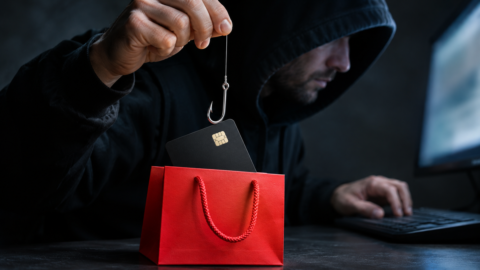
Beyond the adjusted discounts there are real criminalsThe Guarantor warns above all against too tempting offers that ask you to click on a link, complete a survey, or provide your banking information. These messages may be designed to steal information, collect fraudulent payments, or install malicious programs. The most common trap is the clone shop, with logos, photos, and graphics copied from an authentic brand and reached through social media advertising. Sometimes the goods never arrive, other times the real target is data to be reused in new frauds. Last year, according to NordVPN, new fake sites Amazon-imitating ads grew 232% in October compared to September, with an overall increase of 250% across the stores monitored and a peak of 525% on eBay.
Then there are the packages. Almost everyone is waiting for a delivery, and this makes any message from a fake courier is credible that reports an incomplete address or asks for a small fee to unlock the shipment. The link leads to a copy of the courier's page, which asks for card details to steal them or activate a paid subscription, or suggests installing an app purportedly required to track the package. The Guarantor warns that the message can also mislead those who have actually purchased something.
There are no shortage of them text messages that exploit fear, such as fake messages in the name of Nexi that report an alleged expense on the card, with an amount, and invite the victim to call a support number to block it. And it is precisely that phone call that puts the victim in contact with the scammers. Nexi does not use text messages to ask for external numbers to be called back. The report Bank of Italy It confirms that online transactions are more vulnerable to fraud than those made in physical stores. The strong authentication required by banks protects against many unauthorized card uses, but it faces limitations when the customer, persuaded by the fraudster, approves the transaction. The bank verifies the identity of the person placing the order, but that confirmation doesn't guarantee the trustworthiness of the recipient.
Black Friday Scams: AI Makes Everything More Credible
Once upon a time, a clumsy translation or a grainy photo was enough to raise doubts. Today, scammers copy the graphics of well-known retailers and use thegenerative artificial intelligence To create thoughtful descriptions, realistic photos, and seemingly authentic reviews. Those seeking confirmation before purchasing a discounted bicycle or watch can find ten rave reviews, all fabricated by the same source.
The risk also concerns who asks a chatbot for advice. In June the Guardian He reported the evidence of the British anti-fraud service Ask Silver. When asked about the most popular Russell & Bromley bags, ChatGPT listed models and prices, citing two clone sites, one of which promised discounts of up to 80%. After Next acquired the brand, the official store moved to the new owner's website. Scammers preyed on those still searching for the old address. OpenAI reportedly removed the two domains from its search index. AI can even imitate a voice. Already in 2024 Cisco Talos reported the use of deepfake audio To pretend to be a family member or manager and ask for money. Even over the phone, the request counts: if a supposed operator asks for a confirmation code, it's best to end the call and contact support via the official app.
Black Friday Scams: How to Spot Them Before You Pay
If the eye is no longer enough, the method is neededIt starts with the address. The Guarantor urges users to carefully read the URL in the browser bar, because an unusual character or an extra letter is enough to unmask a clone. A reputable store, Altroconsumo reminds us, shows the person behind it with their VAT number, landline, physical address, and contact information, as well as complete terms and conditions regarding withdrawal, delivery, and warranty. Intrusive pop-ups, sloppy translations, and a massive presence of AI-generated images are other red flags. Not even a professional appearance or the padlock next to the address are truly reassuring, because the encrypted connection protects data in transit but doesn't certify the recipient's honesty. Reviews can be manipulated or fabricated and should be researched across multiple sources, including search engines or AI tools, keeping in mind that even these aren't foolproof.
To understand if the discount is real you have to do the mathThe price tag should be compared with the lowest price of the last 30 days, and the history can be consulted using Altroconsumo's online service or with dedicated Amazon tools. The final total should then be checked, because shipping, additional guarantees, or pre-selected subscriptions can absorb the advantage, while timers should be ignored. When faced with a alleged chargeFinally, the quickest way to check is to see the transaction recorded in the bank's app, opened directly from your phone. Before confirming a transaction, carefully read what appears on the screen, especially when a voice on the phone assures you that pressing the button will cancel an expense.
Black Friday: How to Pay Safely, Recommendations
Should you give up Black Friday shopping for fear of a scam? No. A little care when paying and a little extra attention when you receive a delivery message can help you shop with greater peace of mind.
- Stay on the marketplace. If the seller offers a discount for closing the purchase privately, it's best to keep the conversation and payment on the platform. A bank transfer agreed upon in chat or a top-up on the seller's card could result in the buyer losing the protections afforded.
- Protect the paper. The Italian Data Protection Authority recommends using a prepaid card loaded with the necessary amount or a service that avoids sharing your card details with the store. Bank notifications help you immediately identify an unexpected charge.
- Track your package from your order confirmation. If you receive a failed delivery notice, retrieve the tracking code from your order and enter it on the courier's official website. From there, you can check the package's location without opening the link you received via SMS.
- Read what you are authorizing. If a supposed operator calls to report a suspicious expense, check the transactions in your banking app. If a payment request appears on the screen, pressing the confirmation button authorizes the charge, even if the voice on the phone assures you it will cancel the transaction. PINs, passwords, and temporary codes should be kept to yourself.
- Act immediately if data is compromised. Anyone who has entered their card details on a suspicious page can immediately contact their bank using the official app or the number printed on the card to request a block, even before a charge is made. Unknown transactions must be disputed. If a password was provided, it must be changed wherever it was reused. Messages, screenshots, and receipts must be retained for disputes and for reporting to the Postal Police.
It's worth taking a moment to check, even as the countdown ticks. An offer can be let expire. A payment that ends up in the wrong hands is more difficult to recover.