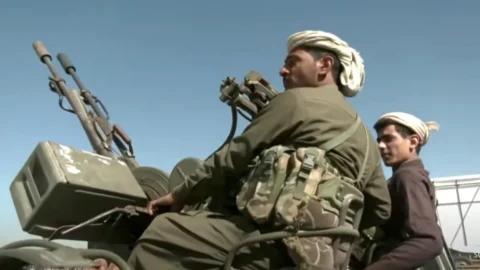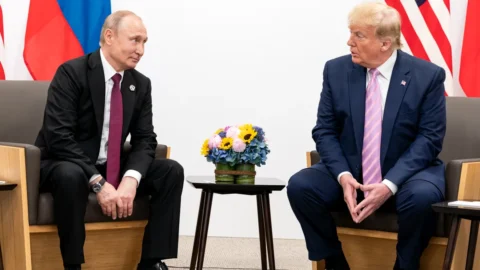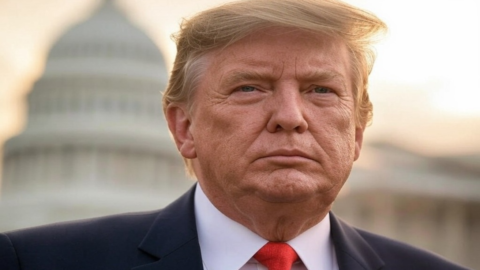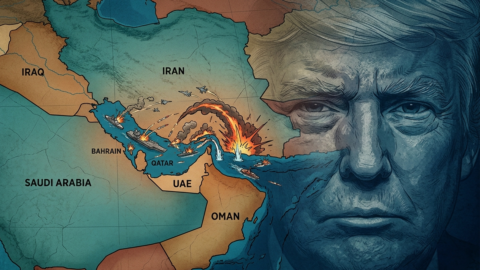
The countdown has ended without the hoped-for diplomatic breakthrough. Iran e United States they return to confront each other on the Strait of Hormuz, for the environment, and the truce reached in June with the Islamabad memorandum arrives at the deadlineThe strategic passage, through which approximately a fifth of the world's oil and gas passes, remains blocked and risks once again becoming the most sensitive point in the conflict. Donald Trump He announced that the United States might designate Hormuz as American territory, claiming that Tehran has been defeated. This statement was immediately rejected by Iran. Deputy Foreign Minister Kazem Gharibabadi called the US president's words "out of place" and "absurd," reiterating that the strait will be closed and reopened only by Iranian decision.
Tensions further escalated with the announcement by Iranian Army Commander Amir Hatami: $30 to anyone who captures or kills an American soldier, called an "aggressor." A threat that makes it even more difficult to imagine a quick resumption of negotiations.
US-Iran: Hormuz at the center of the conflict
Tehran considers the control of the Strait A decisive lever against Washington. The Iranian parliament is preparing to vote on a bill with measures to ensure the security and development of the Strait of Hormuz and the Persian Gulf, as well as another measure against "foreign interference." The latter would ban the transit of vessels carrying equipment or cargo owned by the United States, Israel, and countries considered hostile to Iran.
The American position is equally rigid. Meanwhile, Washington maintains the naval blockade of Iranian ports and prepare new sanctionsTreasury Secretary Scott Bessent has announced economic measures intended to further isolate Tehran. The energy issue remains in the background: any prolonged disruption to traffic in Hormuz could have consequences on oil prices. Petroleum and gas and, therefore, on the global economy.
US-Iran truce expires: negotiations are on the uphill road
The agreement reached in June included a 60-day window, but its future quickly became uncertain. According to an Iranian source quoted by Reuters, there has been no progress In talks to relaunch the agreement, there is not even any talk of an extension in Tehran: Iran claims that Washington violated the agreement shortly after it was signed. The United States, however, accuses Tehran of failing to honor its commitment to reopen Hormuz.
The mediators, however, continue to seek a compromise. The negotiations are also complicated by the internal Iranian divisions and by the Trump administration's attempts to maintain confidential channels with members of the Revolutionary Guard. In mid-May, according to US media reports, Washington attempted to contact Pasdaran commander Ahmad Vahidi through Iraqi Kurdistan President Nechirvan Barzani.
The White House is describing the situation as "static." The key, according to a senior American official, isn't how close or far Washington is from its objective, but whether Iran truly wants to return to the negotiating table and reach an agreement. For now, Tehran appears unwilling to do so.
The crisis also weighs on the American domestic front. The war remains unpopular in view of the November midterm elections, while several US media report problems with ammunition supplies, including Patriot interceptors. And with gasoline above $4 a gallon, the conflict with Iran risks becoming an increasingly concrete political issue for the Trump administration.