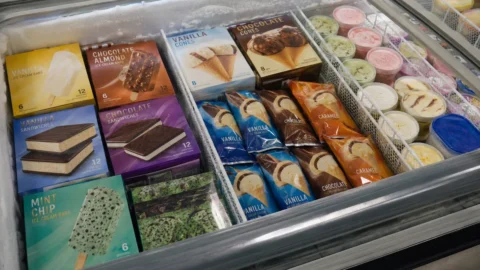
You have the impression that ice creams, especially packaged ones, are getting smaller and more expensive? It's not just an impression. An analysis by Altroconsumo which, based on Istat data, shows how in the last five years average prices of biscuits, croissants and sticks have undergone a 40% surge, with peaks of 75% per kilo for some large-scale retail brands. And behind it all are various phenomena—from shrinkflation (i.e., reduced quantities and unchanged prices) to rising food price inflation, to the energy and logistics crisis—which, combined, have led to widespread and constant price increases.
Packaged ice cream: prices set to rise steadily from 2021
The Altroconsumo study starts from Istat data, according to which over the last five years the Ice cream prices have increased by 39,6%The first sharp increase occurred in 2022, when prices jumped 13% compared to the previous year. It was the year of the war in Ukraine and the energy crisis. A similar situation then occurred in 2023, when prices rose again, recording a further 16% increase compared to 2022.
Ice cream and the causes of price increases
“This extraordinary growth – observes the consumers' association – is mainly linked to the energy and logistics crisis: in fact, in the two-year period 2022-2023, food prices recorded a historic increase in Italy, with an average annual inflation of +8,8% in 2022 and +9,8% in 2023. Data in hand, Ice cream prices have increased more than food inflation".
Contributing to the price increases is also the shrinkflation, the phenomenon whereby the quantity of product inserted inside the packages decreases, but the prices remain the same or even increase. The study, however, points out that the ice creams that have seen a reduction in size are still the minority of the total. “Even if from an experiential point of view a consumer can notice the difference and be disappointed by this phenomenon, it must still be considered that, regardless of the change in format, prices would have increased in any case”, he writes Altroconsumo, according to which, in addition to shrinkflation, the main contributor to the increases was the crisis situation of a few years ago, with the resulting price increases that every crisis brings with it.
The increases, then, follow different dynamics and percentages depending on the product, the brand, and the supermarket. In other words, behind this chaos, there's only one certainty: those who want to enjoy a sweet, cool break from the summer heat will have to spend more—much more—than in the past.