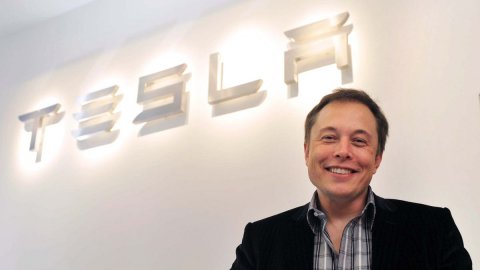
The shareholders of Tesla they approved with the 75% of the votes the maxi salary package from 1.000 billion dollars, to Elon Musk, placing the manager, without any shadow of a doubt, at the head of the manufacturing company electric cars.
The vote took place during Tesla's annual meeting in Austin in Texas, where – not coincidentally – the headquarters of the electric vehicle manufacturer are now located. After months of debate and controversy, shareholders ignored the governance concerns to support the CEO, who has already brought the company's market value to 1,4 trillion dollars, that is, higher than that of all other Western automakers combined. If Musk achieves all of his ambitious goals, his stake will increase to 12 %, giving him control of a quarter of Tesla shares.
Tesla: 75% of shareholders approve huge compensation for Elon Musk
After the results were announced, Musk took the stage at Tesla's Gigafactory to the applause of a select audience of retail shareholders, pumping his fists in the air. His brother Kimbal, a member of the board of directors, led the applause from the front row, wearing his signature white cowboy hat.
On a stage lit by blue and purple neon lights, Musk danced to techno music, accompanied by a pair of humanoid robots Optimus. “With theartificial intelligence , robotics, you can actually boost the global economy by a factor of 10 or 100. There is no obvious limit,” he told the audience, outlining his vision of a future governed by AI and filled with self-driving vehicles and Tesla robots.
Tesla: A tumultuous year for sales
The annual meeting caps a tumultuous year for Tesla and its hyperactive CEO, who amassed a $460 billion fortune running an empire that includes SpaceX and xAISome investors have pressured Musk to spend more time at Tesla, after his controversial presence in the Trump administration damaged the sales of the car company. But most shareholders seemed more concerned about keeping him going after he threatened to resign if the vote on his compensation failed.
Musk previously won a similarly controversial vote at Tesla's annual meeting to reapprove a $56 billion pay package that had been rejected by a Delaware judge.
Tesla and the company's move to Texas: why?
This time, however, Musk was more sure of victory, why Tesla's move to Texas allowed him and his brother to vote with their 16% sharesMusk was supported by the retail shareholders, who own a third of Tesla's shares and about half of whom participated, voting overwhelmingly in favor of the package. The agreement stipulates that Musk will have to unlock his stock dividends in a series of installments. To reach $1.000 trillion, he will have to Tesla's valuation sextupled to $8.500 trillion, increase profits 24-fold to $400 billion, and sell millions of robots and self-driving subscriptions. Over the 10-year term, Musk will receive no salary or bonus.
Tesla: Who's Standing in the Way of Musk's Huge Payout?
Although the full results of the vote have not yet been released, the package is said to have received 75% of the vote. Abstentions were considered votes againstThe three largest external shareholders of Tesla are Vanguard, BlackRock e State Street, which hold 7,5%, 4%, and 3,4%, respectively. BlackRock and State Street declined to comment. Vanguard did not immediately respond to a request for comment. The main shareholder to publicly oppose the package was Norwegian oil fund Norges Bank Investment Management (Nbim), a top 10 investor with a 1,1% stake, challenged the "total size of the premium," the dilution of existing shareholders, and the failure to manage "key person risk."