Teachers recycled in secretarial tasks or in teaching other than the competition classes they belong to, loss of jobs for precarious workers and unfair measures on schools is the alarm raised by the trade unions in the sector as soon as law 135 was published in the Official Gazette with which the decree law 95 of 6 July on the "spending review" is converted.
All fears understandable from a human point of view, those of the precarious who see the spaces to get into the belly of that bandwagon that has been the school for decades getting thinner and thinner, but perhaps we should remember that if it is necessary for an organization to save, it is inevitable to use workers it has rather than hiring precarious ones. Precariousness is a pathological fact to be removed and not a right to be defended. Moreover, the much feared measures were offset by the decree of 10 August which provides for the permanent hiring of 21000 teachers and the stabilization of precarious workers on vacant posts has received the appreciation of the school manager of the Democratic Party, Francesca Puglisi.
All legitimate concerns are those of teachers who see the prospect of being used differently from how they have been up to now, but what is it really about? They have long been invoked reforms that put some innovation and efficiency into the school. The reorganization of the high schools should go in this direction but it has inevitably produced the redundancy of teachers engaged in outdated teachings. So, the measures much criticized certainly do not plan to send a teacher of literature to do math lessons but of flexibly retrain skills in courses that are similar to each other and compatible with the qualifications obtained.
In short, just to give an example, what could happen is that a teacher has to dust off the studies done to teach subjects in which he possesses or, at least he should possess, the skills. They should then move into the ATA roles – the secretarial or auxiliary staff, to be clear – the technical-practical teachers, non-graduates, who dealt with the same subjects in class as the holder of a subject. Perhaps we should ask ourselves what led, in past years, to massive and reckless tenure aimed more at creating guaranteed jobs than at teaching quality.
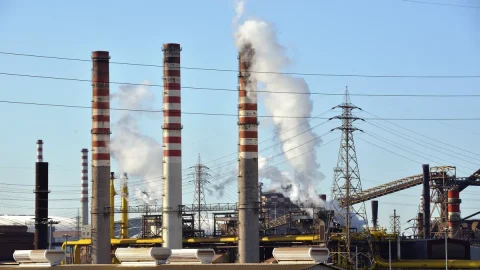
However, in a dramatic situation for the country, everyone is called to make sacrifices: unsuitable or redundant teachers and practical technical teachers will be used differently than they are now, but will not lose their jobs. The workers of Wind Jet and Ilva or of the many small companies that close their doors have very different thoughts, for them the risk is not to move to the province or to other jobs but not to work at all.