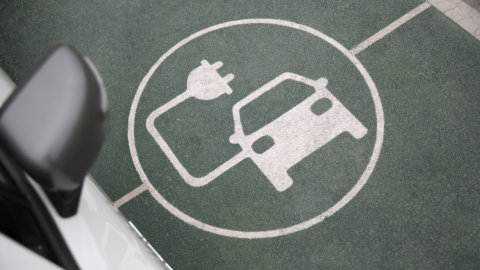
Not even the time to charge the first battery, and the the bottom has already evaporated. The almost 600 million euro intended for incentives for the purchase of electric cars in 2025 they were pulverized in a few hours. The "long-awaited "click day" – and feared – has turned into a digital assault: beyond 55.600 vouchers requested, more than 480 million euros burned in just six hours.
A success? Perhaps. But it's also yet another sign that something in the incentive system continues to not work as it should.
"The PNRR target has been fully exceeded," the Ministry of Economic Development (MASE) announced in an official statement. But behind the triumph of numbers lies the usual suspicion of "bonus cheats."
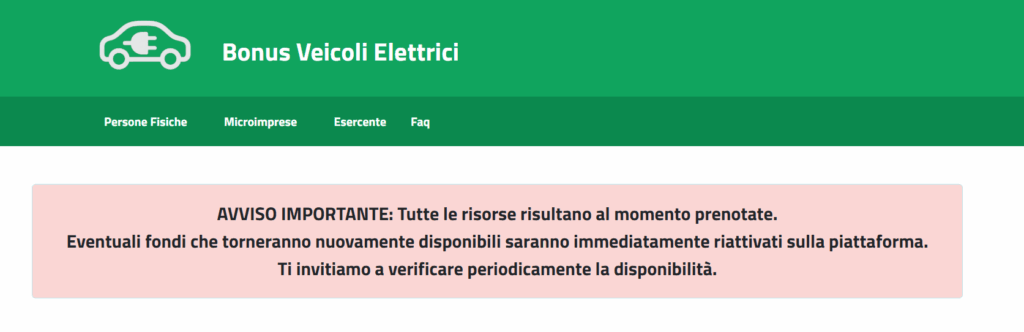
Electric car incentives vanished in a matter of hours.
A real click day, with digital queues of citizens and micro-businesses ready to compete up to 11 thousand euros discount for an electric car or 20 euros for a zero-emission commercial vehicle.
Sulla platform managed by Sogei The rush began on Tuesday morning: in less than an hour, traffic was already skyrocketing, and after five hours, over 40 vouchers had been booked. Twenty-four hours later, the Ministry of the Environment and Energy Security announced certified exhaustion of the ceiling: 595 million euros fully booked.
30 days to transform the voucher into a contract
The game isn't over yet, though. Those who have received a voucher will have to convert it into a purchase contract within 30 days: otherwise, the voucher will expire and the funds will return to the fund, ready to be put back into circulation.
Mase clarified that “any funds that become available again will be immediately reactivated on the platform." Translated: those who were left out could have a second chance between the end of November and the beginning of December, albeit with much more limited amounts.
The suspicion of the "bonus cheats"
As often happens on click days, there have been reports of abuseSeveral users allegedly requested multiple vouchers using different SPID accounts, registered to relatives or acquaintances with no real intention of purchasing. A simple but effective ploy, enough to drain the fund in a flash.
La “anti-cheat” rule – which requires the applicant to have owned the vehicle to be scrapped for at least six months – exists, but the use of multiple digital identities remains a weakness of the system. The risk is that a significant portion of the ceiling ends up in the wrong hands, taking resources away from those who truly intend to purchase a zero-emission car.
Electric car incentives: a success with caveats
The Government had foreseen that the new Ecobonus 2025, refinanced with almost 600 million, would allow thepurchase of approximately 39.000 electric cars. The requests, however, they exceeded 55.000 units.
The PNRR's goal, which aims to renew the national car fleet by the first half of 2026, therefore appears outdated on paper. It remains to be seen How many of these vouchers will actually be transformed into vehicles on Italian roads?.
Despite more selective criteria, from ISEE up to 40.000 euros, to mandatory scrapping, to residency in cities with over 50.000 inhabitants, the system collapsed within a few hours.
How the 2025 incentive for electric cars works
The 2025 bonus is reserved for individuals and microbusinesses residing or headquartered in the so-called "functional urban areas," approximately 2.460 municipalities throughout Italy. To access the grant, scrapping a combustion engine vehicle up to Euro 5 is mandatory, and the applicant must have owned the vehicle for at least six months.
The maximum contribution is €11.000 for private individuals (depending on their ISEE) and €20.000 for electric commercial vehicles.
Car (and bargain) hunting
Anyone with a valid voucher now has to race against time to find a suitable model within the limit of 35.000 euros of base price. On the market there are electric city cars These, when combined with government incentives and housing discounts, cost less than €10.000, but availability is already limited. For everyone else, the only hope is a "funding reversal" in November or a new round of incentives in 2026.
Italy may not yet be a country of electric cars, but one thing is certain: when you have to click for a bonus, energy is never lacking.