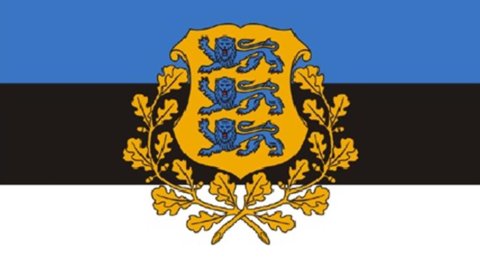
Recently independent, with a population of 1,3 million people and 50% of the land covered by forests, Estonia was classified as a developing country for 50 years, having to deal with the evident lag with the rest of the world. But it is with the technological revolution of the last fifteen years that the small Baltic Republic has become a cutting-edge market, thanks also to the creation of a digital identity for its citizens. All doubts dispelled over the years, the government has taken a courageous step by revolutionizing its profile in digital terms through a path that has proved to be costly, but which has been able to compensate for the lack of infrastructure.
From Skype to Playtech, e-Estonia today it is synonymous with “Start-up Paradise” (161 start-ups active in the area). Wi-Fi coverage is available for free as is water and air and about 90% of residents file and submit tax returns online, as well as medical prescriptions. Not to mention online voting and signing legal documents via smartphone, thanks to digital signature law of 2000 which gave electronic signatures the same legal value as traditional paper ones. And this all started with creating a secure online identity for realizing citizens a unique ID across all systems, from passports and bank records to government offices and hospitalsmandatory for all citizens from 15 years of age.
Estonia's technological advance has undoubtedly paid off: the country ranks 33rd in theHuman Development Index, 11th inIndex of Economic Freedom and 1st in Freedom of the Net. And not wanting to rest on our laurels, the country is constantly evolving. The X-Road system allows various databases of the nation's e-services, both in the public and private sectors, to connect and operate in a synchronized manner. At the same time, the country is redefining international policies and cooperation: your development assistance is not framed in monetary terms, but in roadmaps and/or programmatic information that other countries can adapt and replicate.
What can they learn from the tiny Baltic Republic? Even with its endowment of a structured education system and concentrated technology, the inhabitants were initially resistant to this digital revolution. It then becomes essential to make the system work right from the start, in terms of both competitive advantage and internal consensus. About this, Estonia has started with the reform and simplification of its income tax system, which not only saved time, but also eliminated taxpayer worries, thereby increasing the efficiency of governance and civil liability. In fact, the local Public Administration works in full transparency in transactions, public spending and in many aspects of day-to-day life, with the advantage of increasing the reliability and accountability of government activity.
Here the Estonian experience can teach us a lot in terms of changing mentality, renewing and the ability to transform while remaining oneself. It is then about rethinking one's future beyond the limits of fear of change and opportunism e decisively take that first essential and courageous step in the direction of the necessary structural reforms. A lesson that in Italy is still far from being heard.