In Caulonia, the land doesn't yield easily. It's rugged, steep, marked by the wind and the light of the Ionian Sea. Yet, right here, an orange grows, with a delicate color and a strong character: the Blonde of Caulonia, an ancient variety that for years remained on the margins of the market and which today returns to speak of the future. Not by chance, but by choice. The choice of Ilaria Campisi, an agricultural entrepreneur who decided to stay, to protect and believe in the silent power of biodiversity.
The Biondo di Caulonia, a citrus fruit that represents Calabria
The Biondo di Caulonia is not just any orange. Also known as Biondo della Spina, it is a late orange With a thin yellow-orange skin, pale, fine, and very juicy flesh. It ripens between mid-March and late May, when most other varieties have already left the market, and can weigh 150-180 grams.
The presence of stones and the delicate skin had gradually led to its abandonment in favor of more standardized and easily marketable cultivars. Yet, this citrus fruit preserves qualities extraordinary organoleptic properties, the fruit of a unique microclimate: calcium-rich soil, pure water, sea breezes, and an agricultural tradition rooted in Magna Graecia.
Ilaria Campisi, a visionary agricultural entrepreneur
When Ilaria Campisi She returns to tend the family farm, and everything seems to push her toward simpler and more profitable solutions. They advise her to uproot the ancient trees and plant new cultivars. She, however, pauses. She observes. She listens.
"They told me there was no market for those trees, but I felt they shouldn't be destroyed," he says. A conviction that grew over time and was reinforced by an unexpected discovery: old family notebooks documenting the planting of those citrus groves over a century earlier, a temporal coincidence that for Campisi takes on the significance of a calling.
Oranges on the Road: From a Forgotten Fruit to a Symbol of Rebirth
From this vision is born Oranges on the Go, a project that transformed Biondo di Caulonia from a marginal product to a niche agricultural product, now in demand in Italy and Europe. Production remains deliberately limited: approximately 530 thousand fruits per year, small numbers that however tell of an authentic and identifying value.
In 2015, the Biondo di Caulonia and Ancient Citrus Fruit Protection Community was founded, a network involving producers, landowners, citizens, restaurateurs, musicians, and pastry chefs, all committed to protecting and promoting this rare citrus fruit.
Biodiversity, sustainability, and ethical agriculture
Ilaria Campisi's work goes beyond the agricultural productionIts citrus groves have become botanical gardens, places for protecting biodiversity and experimenting with organic and regenerative agriculture.
“Cultivating biodiversity means taking care of a piece of the world, respecting nature and human communities”, says Campisi, recalling the thought of Vandana Shiva on the environmental and climate emergency.
Alongside environmental sustainability, the social dimension also stands out strongly. The company employs and trains migrant workers, promotes inclusion and dignity in work, and has launched initiatives like Orti in Giardino, shared spaces that unite agriculture, culture, and community.
Awards and economic value of the Biondo di Caulonia
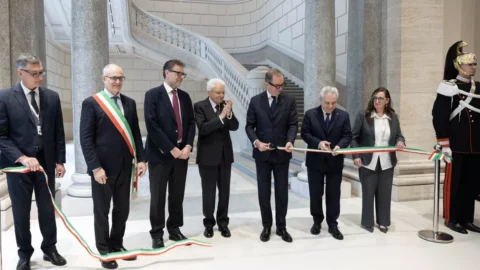
Ilaria Campisi's commitment has been recognized at the national level. She received the Economy of the Future Award and was inserted between Forbes' 100 Italian Excellences, awards that have shed light on a niche agricultural production with a strong symbolic value.
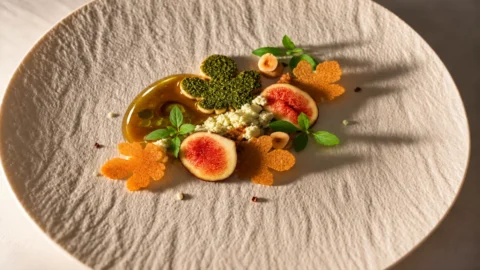
Caulonia Blonde is used today in kitchen, pastry shop and ice cream shop, transformed into jams, candied fruit and organic juices. average price It costs around 4 euros per kilo, demonstrating a short and ethical supply chain, capable of fairly remunerating agricultural work.
The Blond Man of Caulonia, Ambassador of Calabria
“My oranges travel throughout Italy and Europe and through this journey they tell the story of our land,” explains Ilaria Campisi. Biondo di Caulonia has become an ambassador of Calabria, capable of attracting curiosity, conscious tourism and cultural interest towards an area often penalised by infrastructural deficiencies.
Saving this citrus fruit means preserving the landscape, its memory, and its identity, demonstrating that innovation can arise from protecting its roots. In an era marked by the climate crisis and biodiversity loss, the story of Ilaria Campisi and the Biondo di Caulonia citrus fruit represents a concrete model of agricultural, economic, and human redemption.