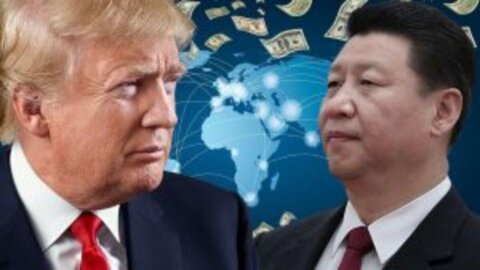
In the background there are always, of course, the duties, but the phone call between US President Donald Trump and his Chinese counterpart Xi Jinping He went even further, including among the topics discussed TikTok, Russian gas, Taiwan, and the delicate balance of power between the world's two major powers. According to the state news agency Xinhua, Xi said that "the call with Trump was positive and constructive." The Chinese president added that China's position on TikTok is clear and that United States should refrain from unilateral tariffs. As for the social network TikTok, the point is that in the United States it has well 170 million users members, but it is at risk of closure. The two leaders reportedly agreed to do everything they could to keep the platform operational in America, extending the deadline for a US operator to acquire it by 90 days, bringing it to mid-December. The social network is currently controlled by the Chinese tech company ByteDance.
The plan to save TikTok in the US and market expectations
The plan, according to the Wall Street Journal, specifically, involves the transfer of the app's American operations to a US-controlled entity, likely a consortium of investors that would own approximately 80% of the new entity, with Chinese investors holding the remaining stake. The deal would require US TikTok users to migrate to a new app that is already in the testing phase, according to the newspaper. The financial world obviously has high expectations for the Trump-Xi phone call, and not just because of the TikTok issue: Wall Street is riding high on the positive wake of the Federal Reserve's interest rate cut, and signs of détente between Washington and Beijing They could provide a further boost. Speaking to Reuters, Matt Britzman, senior equity analyst at Hargreaves Lansdown, said that "progress on a TikTok deal could drive markets in the near term. The phone call between Trump and Xi is the most obvious near-term catalyst, which could shape not only TikTok's fate, but also the tone of broader trade talks."
Aid to Taiwan blocked, and Trump turns a blind eye to Russian gas
The easing of the trade war is also evident from another issue discussed by the two leaders: on the altar of the agreement on tariffs, according to the Washington Post. The White House has sacrificed support for Taiwan, the great enemy of the cin which Trump would like to block $400 million in aid. This is a clear signal of his desire to end interference in Asian issues, as well as those related to Beijing's other alliances, such as the one with Russia on raw materials. Indeed, the US administration, according to what Democratic senators who are calling instead for reinstating sanctions, is allowing China to purchase cargoes of Russian liquefied natural gas, contributing to the war in Ukraine. The Russian Arctic LNG 2 project began in late 2023, but stalled due to Western sanctions on Russia. However, it resumed in August, unloading four vessels in a Chinese port, with Trump's approval. This is therefore a different treatment than India, which pays 25% higher duties on oil from Moscow.