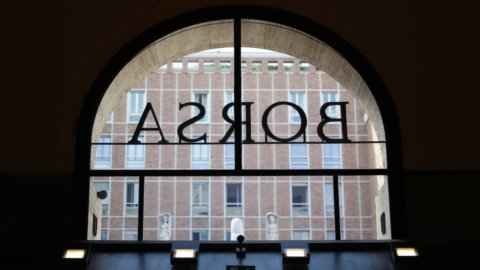
Le European stock markets start without a clear direction on the eve of August 15th, despite the new record set by Wall Street and the good performance of part of Asia. In the United States, the slowdown in inflation continues to support stocks. On Thursday, theS&P 500 updated its record, rising 0,65%, while the Nasdaq gained 0,81% and the Dow Jones 0,13%. Producer prices remained unchanged in July on a monthly basis, against expectations for a 0,2% increase, reinforcing the hypothesis that the Federal Reserve may avoid immediate further tightening. According to the CME's FedWatch, the market share expecting rates to remain unchanged in September has risen to over 65%. However, the picture remains far from straightforward. Positions within the Fed remain diverse, and investors must also contend with high US bond yields, while the market continues to evaluate the central bank's likely direction under the new chairmanship of Kevin Warsh.
Meanwhile, new price indications are arriving in Europe. French inflation rose to 2,1% annually in July, from the previous 1,8%, while the harmonized index used by the ECB increased by 2,4%. On a monthly basis, consumer prices rose by 0,6%.
To further complicate the situation, the PetroleumNew tensions in the Middle East, following the Houthi attack on the Saudi Aramco refinery in Jazan, are bringing back buying of crude oil. Brent crude rises 0,8% towards $88 a barrel, while WTI gained about 0,9% and returned to around $82. Gas in Amsterdam remained little changed at around 60,6 euros per megawatt hour.
Asia Mixed, but Kospi Still Flying with Chips
The Asian picture is more lively but not uniform. Seoul's Kospi gains more than 2,4%, once again driven by technology stocks and semiconductor manufacturers, and is on track to close the week with an increase of nearly 11%. The sector is also being boosted by the indications from the Investor Day of Sandisk, which aims to grow revenues between 15% and 20% over the 2028-2030 period, also thanks to long-term pricing agreements with customers.
Positive Tokyo, where the Nikkei closes up 0,62% Returning to about a month's highs. Technology and electronics continued to perform well, with Kioxia Holdings up 3,4%, Advantest up 2,3%, and SoftBank up over 3%.
The rest of Asia is weaker. Hong Kong is down about 1%, as is the FTSE China 50, while Sydney is down 0,8%. Mumbai remains slightly negative.
Europe remains relatively unstable, while Milan is in the red. Focus on defense and technology.
The enthusiasm from Wall Street and the Asian semiconductor sector has not fully transferred to Europe. The stock markets Old Continent opens slowly and without any particular direction. Also Business Square, after a start close to parity, loses ground and turns slightly negative. Among the topics of the day, the defense sector remains in the foreground, even after the Trump administration's decision to introduce tariffs of up to 100% on drones and some imported components, with the aim of reducing American dependence on foreign supplies.
Under special observation Avio, after Goldman Sachs increased its potential aggregate stake to 5,12%, exceeding the relevant threshold of 5%. The portion directly attributable to voting rights on the shares is 0,14%, while 4,98% comes from financial instruments. STM, however, is not affected by the strong performance of the Kospi, which is the worst performer on the list. The Defense sector is rising.
Dollar slightly weaker, gold falls
On the currency market the dollar loses slightly ground after signs of slowing US inflation. The Euro-Dollar The dollar is hovering around 1,154, while the dollar-yen exchange rate is falling to around 159,26. The Japanese currency remains close to the 160 threshold against the greenback, a level that continues to raise concerns about possible further moves by the Tokyo authorities.
The gold instead temporarily interrupts its run of the last few sessions and lost around 0,4%, settling in the area of 4.330 dollars an ounce.
In the bond market, attention remains high on yields, especially after the auctions of long-term US Treasuries which recorded particularly high levels. spread between BTPs and Bunds remains in the 78 basis point area.
Wall Street futures are almost flat.