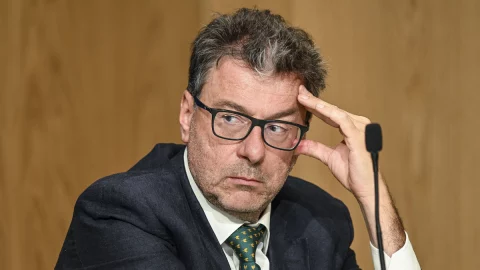
Same story, same Maneuver: nothing new on the horizon for the next budget law, which is preparing to replicate the same measures as this year, from tax wedge cut to the reduction of Irpef tax rates to three. In short, the script remains unchanged. The Minister of Economy confirmed these hypotheses, Giancarlo Giorgetti, during the'meeting at Palazzo Chigi between Government and sindacati, where the discussion is taking place Structural Budget Plan (Psb). Sources present at the table have made it known that there would be no news on the front of pensions, especially regarding expenditure and equalization. However, work is underway to ensure full inflation revaluation, a measure that will also extend to public contracts, while the issue of minimum pensions remains on hold.
This situation is not surprising, considering that there are many knots to untie and that financial availability continues to be limited. insufficient. According to leaks, the resources for the next maneuver will come in part from increased "tax revenues" and "public spending cuts". Giorgetti also mentioned "a contribution from those who have benefited from particularly favorable conditions", but excluded the controversial taxes on extra profits. In essence, it is hoped that the banks will also lend a hand, contributing to a process of redistribution of resources.
Government and unions meeting
During the meeting at Palazzo Chigi, one of the central points discussed was the desire to "sustainably make some measures structural", in line with what has already been announced, such as the reduction of the tax wedge for low- and medium-income workers and the reform of Irpef rates. Furthermore, the Government underlined the objective of recovering the inflation values, estimated at around 2% per year, for public employment contracts.
The executive also reiterated its commitment to maintaining the health expenditure above the 1,5% of GDP forecast on average for the next seven years, while aiming to bring the deficit/GDP ratio below 3% as early as 2026, thus starting the exit from the infringement procedure.
Regarding reforms, the executive will focus on four main areas: justice, with an eye to efficiency and digitalisation, as well as a shortening of civil process times; Publish Administration, focused on spending efficiency; technology business, to increase competition and promote the ecological transition; and, of course, the Revenue authorities, with a focus on compliance and tax base recovery.
Differences between the social parties
The social partners have expressed divergent positions on the next budget maneuver, highlighting different concerns and expectations. Pierpaolo Bombardieri, secretary of UIL, labeled the idea of a contribution from companies as a form of "charity" to be returned, stressing that those who have made profits should contribute to redistributing resources to those who suffer. On the other side, Maurizio Landini of the Cgil has launched an alert, warning of the risk of seven years of austerity and sacrifices, continuing to tax only workers and pensioners. Instead, Luigi Bar of the Cisl welcomed the dialogue with the government, praising the will to make the reduction of the contribution wedge and the reform of the Irpef rates structural, and showing optimism on the full indexation of pensions and on the strengthening of resources for healthcare.
7-Year Trajectory to Make PSB Sustainable
Il Structural Budget Plan (Psb) will land in the next cabinet, expected for Friday September 27, and will then be presented to the Chambers to have time to digest it. During the meeting, the executive stressed that the line will continue to be "prudent and responsible", in view of the critical issues that characterize this transition phase, where the dialogue with the European Commission is still ongoing. "The PSB is a new instrument, with a preventive arm and a 7-year trajectory to ensure its sustainability", declared the Government.