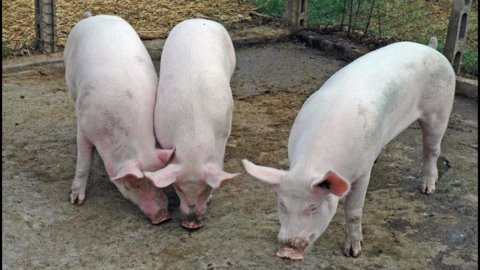
Economists call it lo 'hog cycle': a particular cycle of ups and downs that takes its name from the pig. When the demand for pork is high and prices soar, farmers scramble to produce more pigs. But sows can give birth to 10 or more piglets at a time, so that when these, reared and fattened, arrive on the market, the relationship between supply and demand turns in the other direction: overproduction leads to a collapse in prices. What to do, since it is not possible to advise sows to give birth to fewer piglets?
One answer lies in inventory management, and in China the government is resorting to precisely these measures. Not long ago the price of pork had reached very high levels, contributing heavily to inflation (pork is the most consumed meat in China and is an important component of food prices, which account for a third of the overall basket) and now it is hog cycle' has led to overproduction, with falling prices. The ratio of hog to corn prices (an indicator of the profitability of the porcine sector) has fallen below the 6 to 1 level, which represents the breakeven point for farmers. The authorities are buying up frozen pork, to make it a reserve to put back on the market when, in the ascending part of the cycle, there will be a need to control prices.
http://europe.chinadaily.com.cn/business/2012-08/08/content_15651746.htm