Asset management remains the heart of the private banking, but the sector is expanding its scope. Investment selection is accompanied by increasingly complex needs, from financial planning to wealth protection, and generational transition. Also impacting the advisory model are economic and geopolitical uncertainty and demographic shifts, which are altering families' expectations and their relationship with wealth. This transformation is closely affecting Fideuram, one of the main Italian financial consultancy companies, part of the Private Division of the Intesa Sanpaolo Group.
Leading the Fideuram Network is Andrea Ghidoni, responsible for the Network and Commercial Coordination of Fideuram ISPB. The network counts over 1 million and 100 thousand customers and approximately €225 billion in assets under management and administration, according to data as of September 30, 2026: a dimension that focuses on growth prospects, service development, and the maintenance of high advisory standards. Ghidoni is also vice president of AIPB, the Italian Private Banking Association, which brings together industry players and monitors their development, a role that provides him with an observatory on the sector's key dynamics and prospects.
Fideuram, results for the first nine months of 2026
An indication of competitive positioning comes from the data Absoreti, relating to the collection of financial advisory networks. In the first nine months of 2026 Fideuram recorded a net collection exceeding 9 billion euros, of which more than 5 billion in assets under management. The data includes the Fideuram, Sanpaolo Invest, and IW Private Investments networks. In September alone, net inflows reached 1,634 billion euros, with 170,7 million euros from assets under management and 1,463 billion euros from assets under administration. Furthermore, in the first nine months of the year, net inflows associated with advanced advisory services amounted to 101,3 million euros.
According to Andrea Ghidoni, "The results achieved confirm the solidity of our service model and, above all, the quality of our private bankers' daily work. In a landscape characterized by complex markets and ever-evolving needs, the ability to stay close to clients and understand their needs represents a key competitive advantage. Our ambition is to continue growing, focusing on the professionalism of our network and on consultancy capable of creating value over time."
Private banking, from investment management to wealth management
For Fideuram, one of the priorities is accompany the evolution of savers' needs through an increasingly broad advisory model. Investment management is complemented by financial planning, wealth protection, and support for decisions related to generational transition. The goal is to build an integrated and personalized offer, capable of responding to the needs of a diversified clientele and expanding access to advanced consultancy services.
A theme that is destined to assume an increasing importance is the transfer of wealth between generations. The lengthening of average life expectancy and demographic changes are modifying the needs of families, making it increasingly important to plan the transfer of assets and involve heirs. For the Fideuram Network, this means not only supporting customers in their financial decisions, but also develop relationships with the new generations, promoting continuity in the management of family wealth.
On this front, Ghidoni emphasizes: "Today, clients aren't just looking for answers about investment opportunities, but a partner capable of helping them manage the various dimensions of their wealth. Consider, for example, wealth protection needs or the decisions that accompany generational transitions. Our job is to support families with a long-term vision, providing specialized expertise and solutions tailored to their specific needs."
Technology and generational change: the challenges for networks
The technological innovation is bound to impact the work of consultants. Digital tools and artificial intelligence They can improve efficiency, facilitate information analysis, and foster deeper understanding of clients, making service increasingly personalized. Technological innovation can therefore support and enhance the advisor's work, without replacing their role in client relations, which remains central, especially when managing more complex assets.
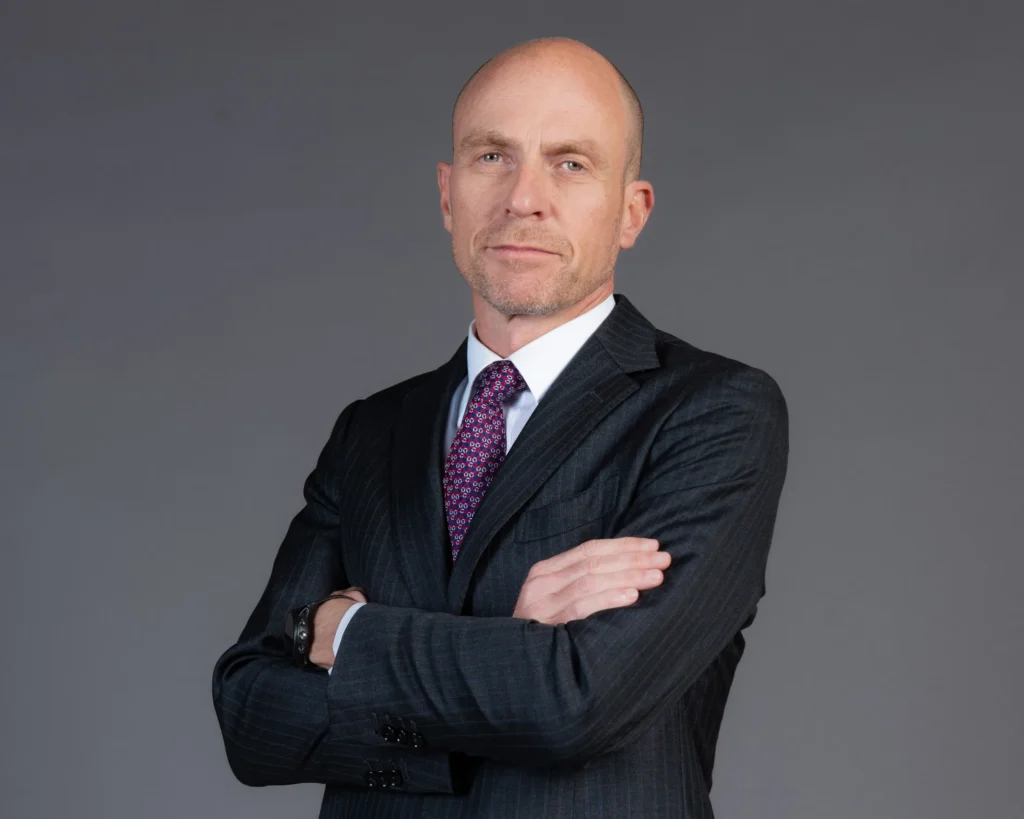
According to Ghidoni: «Artificial intelligence represents an important opportunity to advance the profession. The ability to process large amounts of information and streamline certain processes will allow advisors to pay greater attention to client needs. But we must remember that financial decisions also involve expectations, life plans, and family dynamics. These aspects require sensitivity, the ability to listen, and mutual trust. Technology will be all the more useful the more it can strengthen this human dimension of consulting.
Another priority concerns the development of the network and the generational change.Attracting new professionals, training e valorization of talents are fundamental levers for supporting future growth.
As Ghidoni explains: "The future of our network also depends on our ability to attract and develop a new generation of professionals. Young people bring sensitivity, digital skills, and different approaches to client relationships, which can enrich our consulting model. Initiatives like Next Generation are moving precisely in this direction: bringing young talent into our profession by offering concrete growth opportunities and fostering ongoing exchange between generations, leveraging the experience of more established professionals and the potential of emerging talent."
Alongside financial expertise, advisors will need analytical skills, familiarity with new technologies, and interpersonal skills to respond to an ever-evolving client base. Looking to the future, Ghidoni concludes: "I believe the real challenge will be to innovate without losing what has made our model strong: the quality of our people and our relationships with our clients. To achieve this, we must continue to invest in skills, encourage collaboration, and maintain a strong ability to adapt. The networks that are the first to understand the changing needs of their clients, without sacrificing their own identity, will have the best growth opportunities."