
The pandemic has produced a demographic disaster in Italy. According to a report by Istat, last year the resident population in our country it decreased by almost 384 thousand units. As if it were a city as big as Florence has disappeared. Covid has therefore dramatically accelerated the trend of population decline that has been going on since 2015.
In detail, as at 31 December 2020 they resided in Italy 59.257.566 Guests, 0,6% less than in 2019.
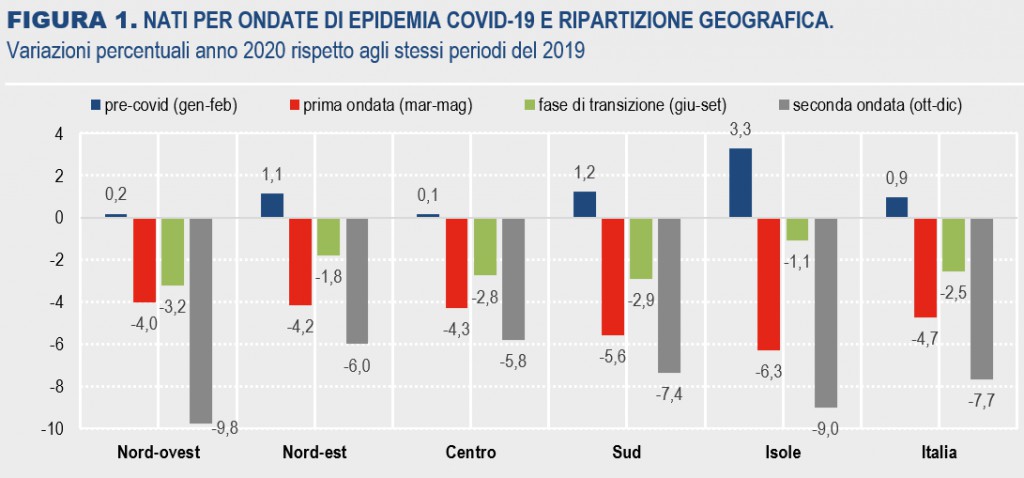
Last year, the new born they were 404 thousand, for a decrease of 3,8% on an annual basis (-16 thousand units). It's about the new historic low since the unification of Italy.
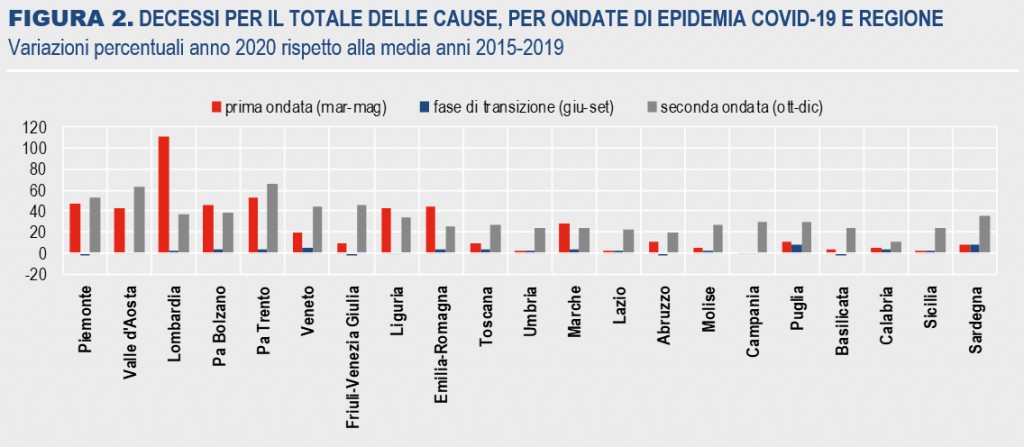
At the same time, our country has recorded the all-time high of deaths since the Second World War, at 746.146, 17,6% more than the previous year (+112 thousand units).
The number of weddings celebrated dropped by 47,5% compared to 2019, to 96.687 (-68,1% religious marriages and -29% those with a civil ceremony).
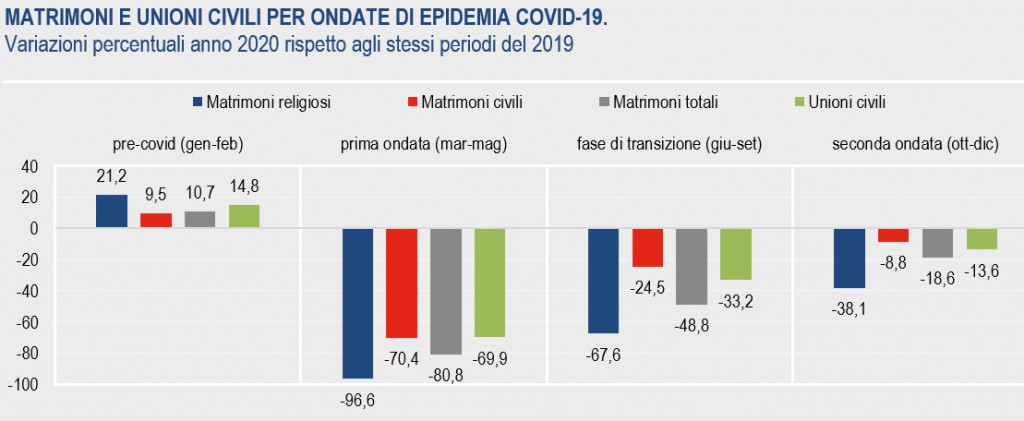
To the direct consequences of the virus on the death front, continues Istat, were added the repercussions produced by anti-contagion measures (movement restrictions, total or partial interruption of work activities, limitation in the number of participants in the ceremonies).
At the local level, the Northwest recorded a population loss of 0,7% and the North-East at 0,4%. The Centro saw the population deficit double in percentage terms (from -0,3% in 2019 to -0,6% in 2020), while the South and the Islands, most affected in the second wave (since mid-September), suffered a loss of 0,7%, similar to that of 2019, due to the depopulation trend that has already been underway for several years.
Lombardia ed Emilia Romagna recorded a trend reversal in terms of population change, going from the increase in 2019 (+0,2% and +0,1% respectively) to the deficit in 2020 (-0,6% and -0,4% ). Also the autonomous province of Bolzano, traditionally characterized by population increases, saw the total percentage balance decrease (from +0,4% in 2019 to +0,2% in 2020). Conversely, the regions of the Noon, even those with the primacy of total negative balance (Molise -1,3% and Basilicata -1,0%), recorded smaller percentage losses than in 2019. The different impact of the epidemic on mortality (greater in the North than in the South) and the contraction of transfers of residence explain these geographical differences.