Webuild, the Italian construction and engineering giant, is in pole position for a new sustainable mobility project in Melbourne, Australia: the Group, part of the Terra Verde joint venture, was selected as highest bidder (“preferred bidder”) for the “Tunnels North” lot of the Suburban Rail Loop (SRL) East, a subway “which will not only transform the public transport in the city growing, but which will also contribute to changing its development, making more homes and jobs possible in the areas surrounding the stations. The final award of the contract is expected within the year” says a note. The title in Piazza Affari share of 2,16 euros up by 0,93%, in a Mib at +0,09%. The stock has gained 5,88% in the last month, over 19% in the last six months. Webuild closed 2023 with revenues growing by 22% and profits doubling. Webuild recorded record order intake for the third consecutive year with orders acquired for 22 billion and a book to bill of 2,7x, significantly exceeding the target of 1,1x for the year. The order book reached historic highs of 64 billion, already exceeding the expected end-of-plan target of 2025. In addition to covering 100% of the turnover and EBITDA targets of the 2023-2025 Business Plan, the backlog provides visibility for over 6 years on the Group's revenues, clearly tracing the Group's growth path.
The project: two parallel tunnels of 10 kilometers each
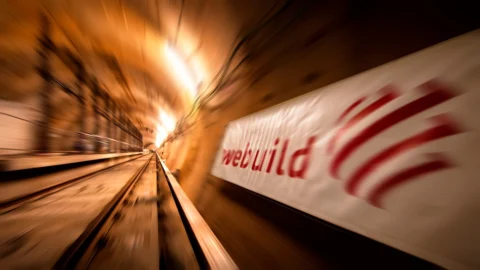
Webuild leads the joint venture that will build the lot in an international consortium of excellence with GS E&C (South Korea) and Bouygues (France). Commissioned by the Suburban Rail Loop Authority, the project involves the excavation of two parallel tunnels, each approximately long 10 kilometers, between the future Box Hill and Glen Waverley stations and the construction of 39 secondary connecting tunnels and functional structures for the construction of two future stations, the excavation of two access shafts and an emergency and ventilation shaft. Four TBMs (Tunnel Boring Machines) will be used to excavate the tunnels.
This is the second route put up for tender for the Suburban Rail Loop East, which is in turn one of the three sections into which the Suburban Rail Loop is divided, a work destined to transform the public transport system thanks to 90 kilometers of railway lines which will run all around the Central Business District of the city of Melbourne in anticipation of the strong growth expected for the population in the coming years. “The Suburban Rail Loop is intended to improve transport efficiency for over 80% of commuters of the city, reducing the need for more than 600 thousand car trips per day on the city's streets and highways, with benefits for traffic and air pollution" says Webuild
The new contract confirms the presence of Webuild in Australia, the second largest market for the Group after Italy, in terms of revenues and order book. The Group's presence in the city of Melbourne has historical roots, with the creation in the 80 years of the tunnels and stations of the Melbourne Underground Rail Loop (MURL), an infrastructure project opened to the public in 1985 to meet the transport needs of commuters.
Webuild's campaign in the land of kangaroos
With her Australian subsidiary Clough, Webuild is working on projects across Australia and is also expanding into new business sectors. In Melbourne, Webuild is working to excavate the North East Link tunnel, an important section of the city's motorway network. In Sydney, participate in the development of railway line which will arrive at Western Sydney International Airport, the largest Public-Private Partnership (PPP) project in New South Wales. Also in New South Wales, Webuild and Clough are building Snowy 2.0, the largest project for the production of renewable energy under construction in the country. In the Northern Territory, the two companies are starting work on the construction of a ship lifting system, the largest of its kind in the state. In Western Australia, they are building one of the urea plants for fertilizer production largest in the world and the project to upgrade the sludge treatment process of the state's largest wastewater treatment plant.