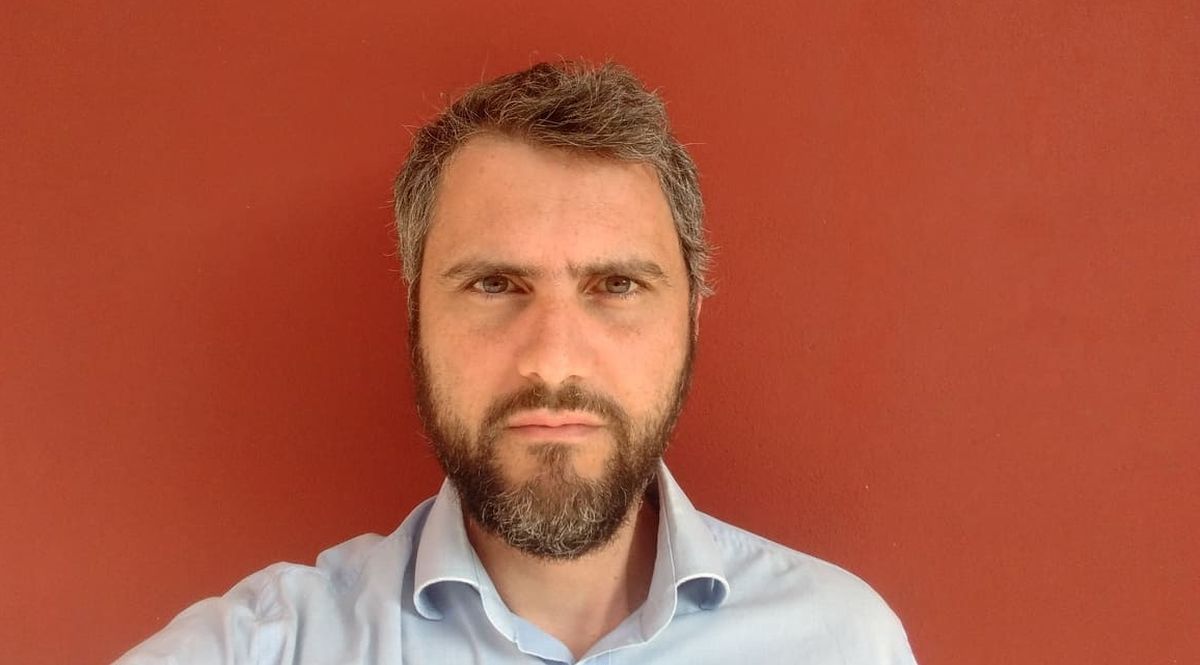
If there's one lesson to be learned from Portugal's presidential elections, which will be held in a runoff on Sunday, February 8, it's that populism is defeated with a single, cohesive proposal. It's no coincidence that the socialist Antonio José Seguro until a few months ago he wasn't even the official candidate of his party and now he is the clear favourite to be elected President of the Republic with 67% of voting intentions in the polls, in the face ofright-wing extremist Andrè Ventura, leader of the Chega party, which he himself founded just 7 years ago. Yet Between the two, the outsider was initially Seguro himself, who, rather than waiting to find a long and arduous agreement within the progressive camp, cut to the chase by running and then gaining the support of his entire political area along the way, so much so that he is now the announced winner.
We vote for the President of the Republic and not for the government, which has been center-right since 2024
It should be remembered, however, that in this round the new government will not be elected, which will continue to be the centre-right one led by Prime Minister Luis Montenegro, elected in 2024 after the long season of the socialist Antonio Costa, in office since 2015. Instead, the vote will be for the President of the Republic, who, unlike in Italy, is chosen by the voters and can "cohabit" with an executive of a different political color, as polls predict. Seguro will succeed outgoing president Marcelo Rebelo de Sousa, from the same party as the prime minister, the PSD (Social Democrats, which are center-right in Portugal), who cannot run again because he has reached the limit of two consecutive terms. However, Sousa himself has recently distanced himself from the actions of the Montenegro government, which has veered too far to the right to pursue the agenda of the sovereignist Ventura and has proposed laws on security and immigration that the President of the Republic deemed excessively harsh, which he rejected.
The country is increasingly divided: for the first time in 40 years, a runoff election is necessary.
However, as evidence of a divided country, so much so that Ventura and his Chega still received 23,5% of the vote in the first round (against Seguro's 31% but much more than the other candidates), there is one figure above all: it is the first time since 1986 (and the second since 1976, when the dictatorship ended) that Portugal has had to resort to a runoff to elect the President of the Republic, who for 40 years has therefore always been a figure with broad consensus. And this is what Seguro aims to be, the “president of all Portuguese, capable of providing effective responses in this phase of political fragmentation”For a moment, the Socialist leader risked not being elected this weekend because he feared postponing the elections due to the bad weather emergency in Portugal, but in the end the competent authorities decided to confirm the date with the polls, which 11 million Portuguese will attend.
Who is former frontrunner André Ventura, an anti-migrant and Bolsonaro and Salvini supporter?
Ventura is destined for defeat, but his story is still thought-provoking, because until recently he was the clear favorite and would have led the country even further to the right, especially if he held an institutional rather than governmental role. Ventura, 40, is accused, among other things, of being openly racist., due to some election posters in which he blatantly discriminates against the Roma minority and immigrants from Southeast Asia. The founder of Chega has thus made the anti-migrant issue his rallying cry, and internationally he admires colleagues like Jair Bolsonaro and Matteo Salvini, describing himself as "economically liberal, nationalist, and conservative." However, he has often distinguished himself with sexist and Islamophobic views, so much so that he is now a proponent of the concepts of a Christian European identity and remigration. Among his proposals are chemical castration for those responsible for sexual assaults against minors and crackdowns on corruption and terrorism.