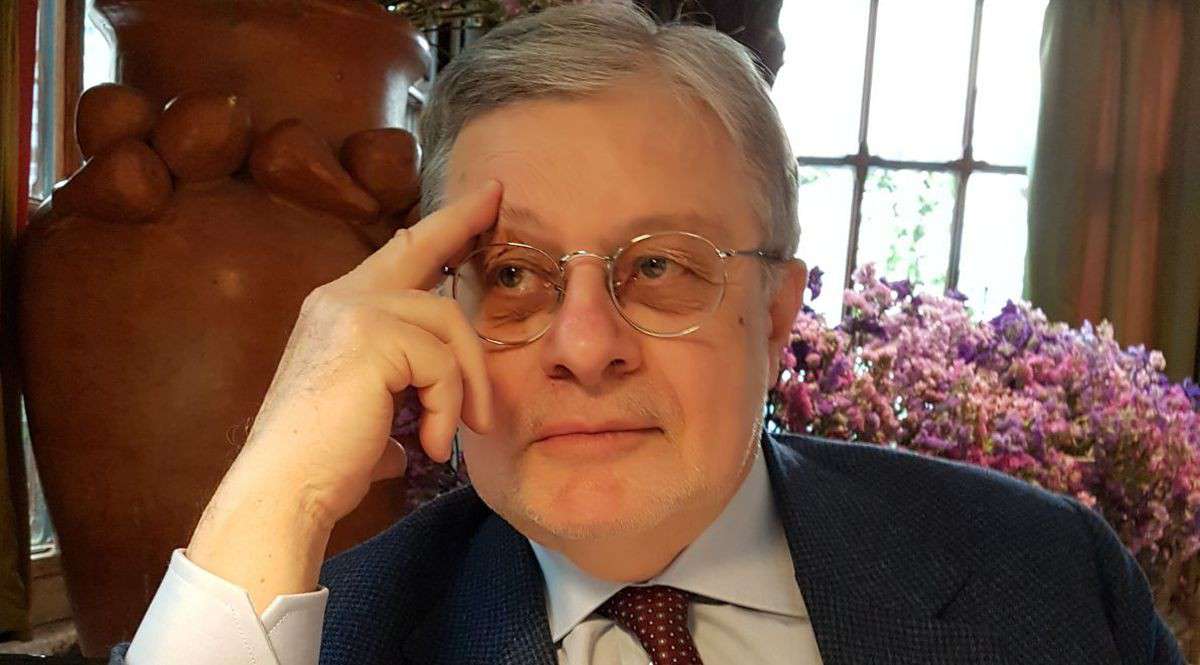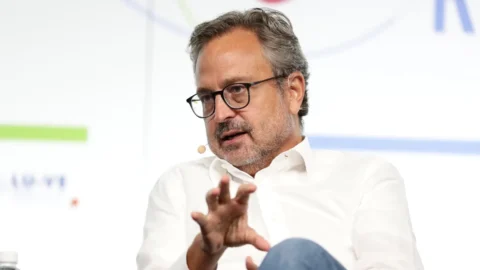
"For those who produce spirits in Europe, the trade war with tariffs is a problem that significantly reduces our margins, even if we hope it won't last forever.... But for those who export to the US, the issue of the devaluation of the dollar is even more delicate, something that perhaps the Americans don't mind." Luca Garavoglia, 56 years old, from Milan and president of Campari Since 1994, immediately after graduating in Economics and Business from Bocconi, he's not one to turn a blind eye to problems, and this time too, faced with the perilous fall of business, he's getting to the point. "We did the same thirty years ago. When I arrived, very young, as president of Campari, we were at a crossroads that left us with no alternative: grow or sell. We chose the former, and the market rewarded us, even if the stock market doesn't always immediately grasp a company's strategy."
In 1995 Campari, which is controlled by the Garavoglia family and is listed on the Milan Stock Exchange with a capitalization of 7,15 billion euros, made its first acquisition and in thirty years has made another 40 around the world, inaugurating a strategy made up half of organic growth and half of acquisitions. Today Campari is not only an excellence of Made in Italy but one of the major global players in the spirits sector, with a portfolio of over 50 brands ranging from the iconic aperitifs Campari e Aperol to spirits and to Cognac e Champagne, as Courvoisier e Grand Marnier.
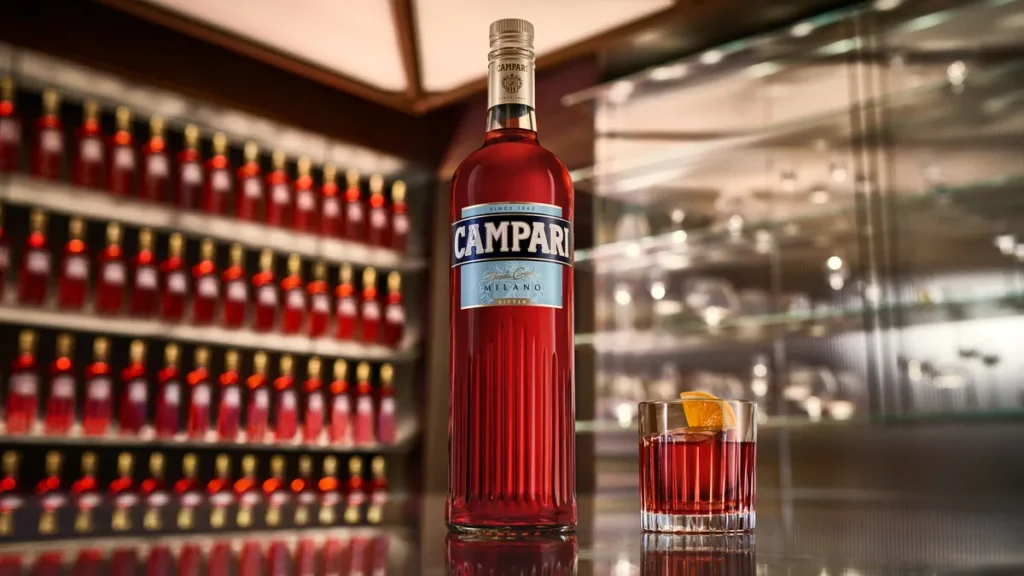
Campari: From Made in Italy Excellence to Global Player: 40 Acquisitions in 30 Years
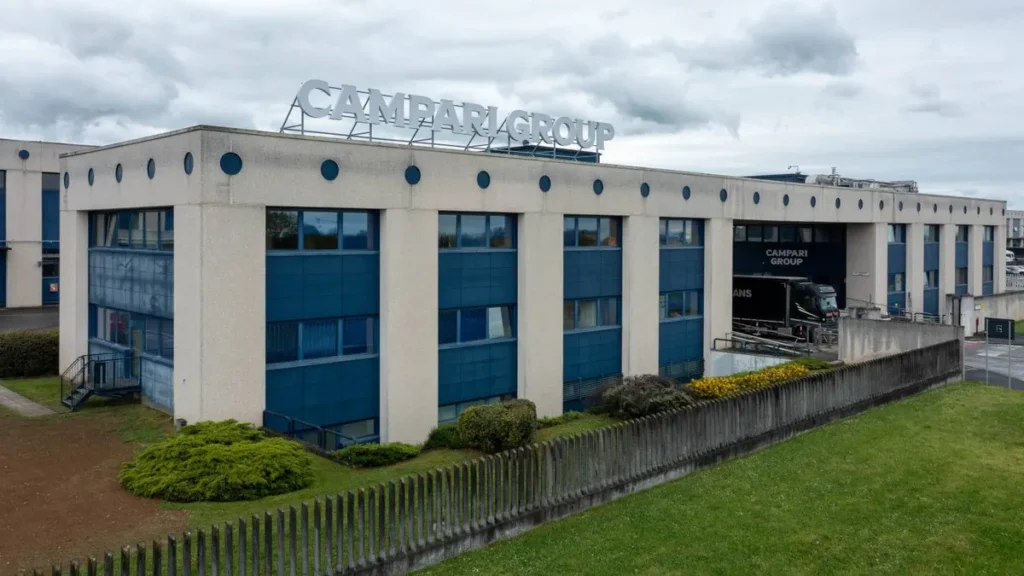
Campari's historic headquarters are in Sesto San Giovanni, but starting next year it will move to the heart of Milan on Corso Europa. The group has 24 production plants worldwide, including four in Italy, with its own distribution network serving 27 markets and reaching 190 countries, employing approximately 5.000 people in Italy, Europe, America, and Asia. In 2024, Campari closed its operations. balance with a turnover Net sales of over €3 billion and profits of over €300 million, despite a slight decline in profitability and the burden of investments and acquisitions. The stock market hasn't been positive until a week ago, and the stock has lost 4,9% in 2025, having been caught in a short-term trend that affects 22% of the free float: tariffs, the devaluation of the dollar, declining US demand, and logistics delays are weighing on the market. But in recent days, the atmosphere at the Milan Stock Exchange seems to have changed, given that Campari shares have gained 6% in the last week, ranking among the best performers on the FTSE MIB.
"In reality," explains Garavoglia, whom we meet at Camparino, a historic Art Nouveau bar in Milan's Galleria opposite the Duomo, "the market has a misperception of spirits because it fears they could follow a similar path to tobacco, overlooking the fact that there is a model of moderate alcohol consumption, entirely compatible with a balanced lifestyle. In this sense, many of our products meet the tastes of consumers, including Generation Z, thanks in part to their lower alcohol content. Furthermore, the latest data tells us that spirits are holding up. It's true, however, that alcohol, as a whole, is experiencing a decline in volume of about 5% compared to the past, but this is due to consumers' reduced purchasing power. However, we are confident about the future because there is room for growth."
Campari, consolidation under the banner of continuity with some divestments
Garavoglia is however the first to perceive that, after the impressive ride of Campari over the last thirty years, during which the historic Turkish-Austrian CEO reigned for a good part Robert Kunze Concewitz, considered the Marchionne of spirits, it is time for consolidation and that, after the acquisitions, the time has come for rationalize the portfolio and divest less profitable brands. This will be discussed at the group's Capital Market Day on November 6 and 7, where management, led by CEO Simon Hunt and recently strengthened by the new CFO Francesco Mele, will present the company to shareholders.
"The strategy won't change, and Campari and Aperol will always be our flagship products, not to mention Sarti Rosa, Cynar, and Picon. However, there are no new acquisitions to make among the major brands, while some adjustments may require some divestments, with an eye on margins and the possibility of reducing debt. In other words, consolidation but no breakthrough: our evolution will be marked by continuity."
Campari, the company that appeals to young people with an eye on quality employment and wages
Campari's future, in addition to good management and attention paid primarily to marketing and distribution, will also depend on the market and socio-economic context, and Garavoglia knows this. Which also means great focus on quality of employment e of wages"Our group's primary asset," says the President, "is the quality, expertise, and passion of our workforce, of which we are proud: we are very careful in selecting personnel and don't have the problems other companies have in recruiting. But we don't have them because we pay close attention to training, but also because we guarantee absolutely competitive salary levels." It's no coincidence that Campari is considered by young people to be one of the best companies to work for.
Which isn't to say we shouldn't be ignoring what's happening outside the company. "Our country's biggest problem is the birth rate crisis, which is perhaps even greater than the public debt, which is high and must be constantly monitored, but which is also offset by enormous private savings and large family home equity."
In a typical Fourth Capitalism company ("But I don't like the definition") it is not often that you find an enlightened entrepreneur who has entrusted the entire management to the managers, who is not obsessed with control but who wants to grow in the world and has demonstrated this in thirty years of presidency, who looks at the quality of work and the product and who knows how to read the changes even outside the company walls. And the results are visible.