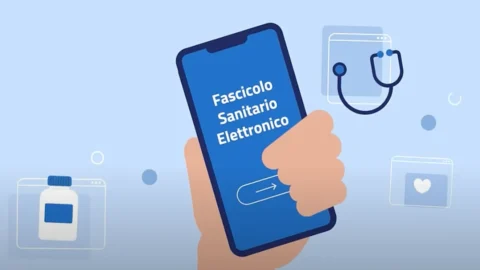
Il Electronic health record The way we manage our health information in Italy is changing. This digital tool, introduced in 2012 and currently evolving towards a more advanced version called "2.0" also financed by the Pnrr, collects and organizes the clinical history e . of every citizen. It is designed to be accessible to healthcare professionals in order to improve the medical care provided.
Ma why are we talking about it? Recently, some Io app users have received notifications regarding the leadership of the opposition to the use of health data in the electronic health record. By 30 June 2024, every citizen has the power to decide: to oppose the uploading of their health data and documents prior to May 19, 2020 to the ESF, or to allow their automatic inclusion. This choice is fundamental because previous data could also be used for non-strictly healthcare purposes, while subsequent data will be automatically integrated into the File. But what exactly is the ESF? AND what advantages e risks leads?
What does the electronic health record contain?
The ESF contains a wide range of information, Including:
- Medical reports: Results of diagnostic examinations and clinical tests.
- Prescriptions: Information on prescribed medications.
- Clinical history: Information on hospital admissions and surgical interventions.
- Summary health profile: Summary of relevant health conditions.
- vaccinations: Register of vaccinations received.
- Resignation letters: Documents issued at the end of a hospital stay.
- Socio-health data: Useful information for managing health exemptions.
Implementation and deadlines of the ESF
Currently, the implementation process of the ESF varies between the different Italian regions. By December 2024, all healthcare facilities are required to produce native digital documents, i.e. data that can be automatically entered into the ESF. While by 2026 the system will be fully operational in all Italian regions. This step is fundamental to guarantee the complete integration of the system at a national level, facilitating the consultation of health information even when moving between different regions.
By June 30, 2024, citizens have the option to oppose inclusion their health data previous in the electronic health record, i.e. those prior to 19 May 2020. Before this date, the citizen's explicit consent was required for the inclusion of their data in the ESF. With the entry into force of Article 11 of Legislative Decree no. 34/2020, this consent was eliminated, making the uploading of health data after May 19, 2020 into the File automatic.
How can opposition be expressed?
All Italian and foreign citizens can object, and this choice can be modified in Health Card System until 30 June 2024. To express opposition, simply access the "Fse-Opposition to previous" service using Spid, Cie or Cns. You must select the “opposition” option and click on the “I object” button. The procedure is also accessible to those who do not have digital identity tools.
Those who do not express opposition will automatically see the data and documents relating to their medical history prior to May 19, 2020 included in the electronic health record.
The advantages
The National Electronic Health Record offers numerous advantages: Allows easy access and control over your health history from any device. Even those who do not have access to advanced technologies can rest assured, because the doctor will be able to quickly retrieve the data during the visit. This is particularly useful in emergencies, helping emergency room doctors to intervene promptly and avoiding duplication of tests and treatments already carried out.
Problems and risks
Despite the obvious advantages, the implementation of the ESF is not without challenges and risks:
- Privacy and security: Concentrating so much sensitive information in a single digital platform exposes data to potential risks of hacking, privacy violations and cyber abuse. It is critical that we take strong measures to protect this information.
- Complexity technique: The process of integrating and managing data across healthcare facilities can be complex, especially in regions with varying levels of technological development and systems integration.
- Accessibility and training: It is essential to ensure that all citizens, including older people and those less familiar with technology, can access and understand the functioning of the ESF without difficulty.