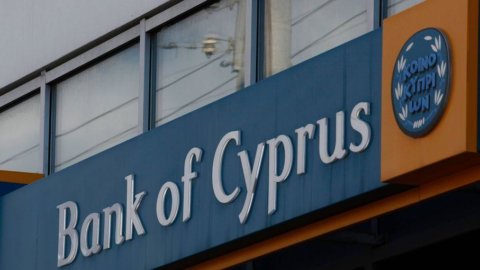
The Eurogroup he has second thoughts, but Cypriots are still anxious. The forced levy on current accounts must be modified and approved by the island's Parliament today. The measure was imposed by Brussels as a fundamental condition for granting Cyprus a 10 billion euro loan. It is the first time that Europe has required people to get their hands directly on their savings.
La original version of the intervention envisaged a cut of 6,75% on bank deposits up to 100 thousand euros and 9,9% on those beyond this threshold. Yesterday evening, however, the Eurogroup backtracked and - after listening to the opinion of analysts and politicians - officially asked that accounts up to 100 euros are exempt from the levy. To balance the fix, the tax rate on assets of a higher amount could reach 15%. The International Monetary Fund and the European Central Bank have given the green light. The United States intervened demanding a "fair and responsible" solution.
According to a draft of the provision cited by the France Presse, however, the total exemption would only concern deposits of up to 20 euros, while the expected tax of 20% would remain on those between 100 and 6,75 euros.
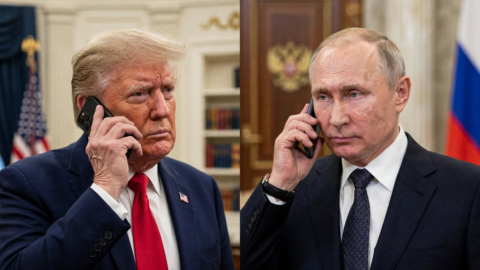
Violent opposition comes from Moscow. Most of the large assets parked in Cypriot banks are in fact of Russian origin and many suspect that these are revenues produced mostly from illegal activities and recycled on the island. Kremlin leader Vladimir Putin called the levy "unfair, unprofessional and dangerous". Of the 91,5 billion euros deposited in Cypriot banks, 18,3 billion officially belong to Russian citizens. This explains why the Cypriot Finance Minister, Michalis Sarris, could land in Moscow today, with the aim of negotiating a new loan from Russia to the island.
Meanwhile in Cyprus protest demonstrations are staged and the banks continue to remain closed to avoid savers running to ATMs and the flight of large capital abroad. The institutes closed their doors last Saturday and yesterday the Central Bank announced that they will only repair on Thursday.
Assuming that in these hours the definitive structure of the withdrawal can be established, in the afternoon (at 17 pm Italian time) the Cypriot Parliament will have to give its assent. And it is by no means a formal passage: the votes in favor of the package of measures imposed by Brussels may not be enough. President Nicos Anastasiades' party occupies 20 seats out of a total of 56 and needs the support of centre-right allies, which, however, could be lacking this time.
This morning on the markets tension is still high, even if less than yesterday. The euro loses further ground against the dollar (-0,1%, exchange rate at 1,293), while all the main European stock exchanges are in negative territory: Milan -0,2%, Frankfurt -0,5%, Paris -0,7 % and London -0,3%. In the same minutes, the Btp-Bund spread moved close to 330 basis points.
The Cyprus Stock Exchange will remain closed today to "protect investors". Again, however, it seems that the real purpose is to avoid the flight of deposits, which could also occur with the rush to buy shares and bonds.