Since its inauguration, the current national-conservative administration led by the Law and Justice (PiS) party which won the October 2015 elections with 235 of the 460 seats in parliament, has launched some controversial political initiatives, such as the direct control of state television channels, the substitution of state-controlled corporate management and the attempt to limit the independence of the judiciary by imposing political control over the appointments of judges and courts. All this has triggered mass protests in the country, while the European Commission has repeatedly warned the Polish government of the risks that such moves pose to the rule of law and that they represent a violation of the EU Statute.
Despite the knowledge that EU sanctions may not do much damage in the short termconcerns for the medium term should not be underestimated: the risks associated with constitutional reforms and the reorganization of the judicial system could harm Poland's reputation among foreign investors and Brussels could decide to reduce direct contributions to Warsaw in the planning of the next EU budget, a scenario which however remains unlikely.
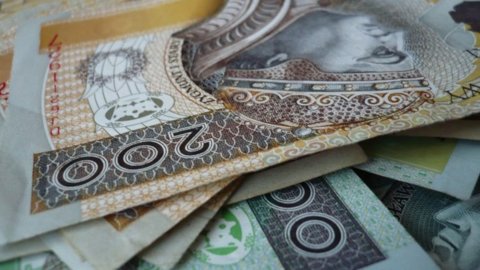
atradius expects Polish GDP to grow again by 4,7% this year, thanks to robust consumer demand and increased investment. In 2019, economic expansion should slow down slightly, but still remain solid (+3,3%). In particular, the growth of private consumption is supported by the increase in employment and wages and by social welfare measures (for example, the childcare program for families with more than one child). At the same time, public investment and disbursements of EU funds have increased, while export growth remains buoyant (+2%) and business confidence remains high for the time being.
Following the deflation of the two-year period 2015-16 (-0,75% on average), the consumer prices started to grow again last year, driven by wage increases: according to analysts, they will remain at 2% in the next two years. And, although monetary policy has been accommodative so far, given low inflation rates in the recent past, the Central Bank is expected to start gradually raising interest rates by the end of 2018 with the aim of keeping inflation within the 2% target. Public debt remains moderate at around 50% of GDP. The government's fiscal deficit decreased in 2017 due to higher tax revenues and improved tax collection. However, public spending has increased again as a result of lower retirement ages and public investment.
In this scenario, due to the shrinkage of the labor market Worker shortages are increasingly becoming a problem, especially in the manufacturing sector. At the same time there are concerns about the medium-long term impact of the economic policies launched by the current government, without forgetting the impact of external factors such as import tariffs by the USA and concerns about the outcome of Brexit on Polish exports and investments.
In Central Europe, the Polish economy seems to be the most vulnerable to financial and economic consequences of Brexit: in fact, annual remittances from Poles residing abroad amount to around 4 billion euros, a large part of which comes from the United Kingdom. From a long-term perspective, in addition to the fate of the Polish community residing across the Channel (911 people surveyed in 2016, up 9,6% on the previous year), the process of separating London from the rest of the EU could affect European Structural Funds themselves, which play an important role in Poland's economic progress. Without forgetting that the United Kingdom represents the second destination of Polish exports after Germany and, once the Brexit process has been completed, PiS would find itself without its most powerful ally in the European Parliament.