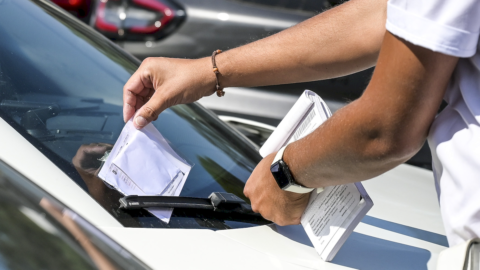
Le fines will be “without borders”. The Council and Parliament of the European Union have reached a preliminary agreement to tackle the impunity of offending motorists traffic violations in in a country other than that of place of residence and driving a vehicle with foreign license plate.
40% of infringements go unpunished
Current EU rules on cross-border enforcement have improved compliance with road safety rules by non-resident drivers, but in 2019 the 40% of cross-border infringements went unpunished due to failure to identify the perpetrators or failure to pay fines.
Today's agreement introduces new provisions to improve cooperation between Member States, including automated exchange of information between national authorities and mutual assistance procedures to identify perpetrators of infringements and apply fines.
The list of traffic violations has been expanded
According to the note from the European Parliament, the updated rules of the European Union will expand the list of violations of the highway code committed by non-resident drivers, in order to prevent reckless driving abroad.
In addition to violations such as speeding, driving under the influence of alcohol and under the influence of drugs, cooperation between national authorities will also cover other dangerous behaviors such as:
- failure to rescue
- failure to maintain a safe distance
- dangerous overtaking
- parking in prohibited areas
- driving against traffic
- failure to comply with the rules on the use of emergency lanes
- the use of overloaded vehicles
- crossing one or more solid white lines
- entry into limited traffic areas
Member States will provide information on infringements committed by drivers from third countries.
There will be an IT portal for citizens
Un online portal will provide to citizens information detailed information on road safety rules, appeal procedures and fines applied in each Member State of the European Union.
They are also strengthened guarantees for protection of personal data, through specific roles and responsibilities for national authorities, provisions on data security and guidance on communication with citizens.
Now the legislative process begins
The political agreement reached will have to be formally adopted. Once the process by the European Parliament and the Council is completed, the new rules will be published in the Official Journal of the European Union and will have to be incorporated into national laws within two and a half years.
“The application of road safety rules is essential to discourage dangerous driving, whether due to driving while intoxicated or under the influence of drugs, or to accidents and escapes. Today's agreement implements the first directive of the Road Safety Package and provides clear tools to increase road safety across Europe,” he said. Adina Valean, EU Transport Commissioner.